
Honeysuckle
Lonicera periclymenum L.
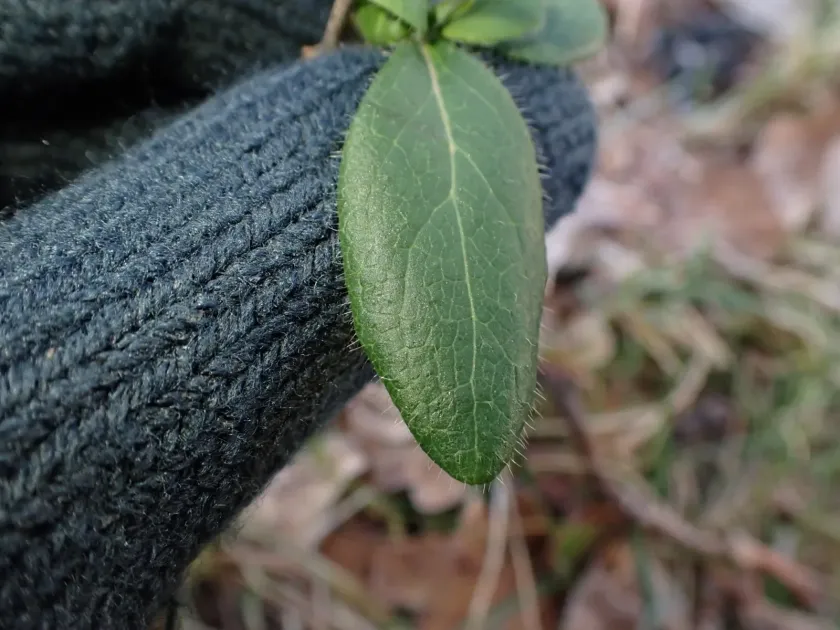
Description
Growing requirements
The honeysuckle (Lonicera periclymenum L.) is a woody climbing vine belonging to the Caprifoliaceae family, native to large parts of Europe, North Africa, and the Caucasus.
This species is highly valued in horticulture for its vigorous climbing ability and intensely fragrant, nectar-rich flowers. It naturally thrives in woodland margins and hedgerows, making it adaptable to various semi-shaded garden environments.
Optimal growth requires well-drained, nutrient-rich soil with a neutral pH. The plant performs best when its foliage is exposed to sunlight while its root system is kept cool, often achieved through dense mulch or low-growing companion plantings.
Standard agrotechnical practices include the installation of sturdy trellises or supports to facilitate vertical growth. Regular pruning after flowering helps maintain the plant's shape and encourages the development of fresh, blooming shoots for the following year.
In landscaping, it is primarily used for covering walls, fences, and pergolas. Its aesthetic value is enhanced by its ability to provide privacy screening and support local pollinators, such as moths and bees, through its evening-scented blossoms.
Main diseases and pests
Powdery mildew is a common fungal challenge for this species, especially in environments with poor air circulation or high humidity levels during the peak growing season.
Aphids and scale insects are the primary pests that infest the tender new growth, causing curling leaves and potentially transmitting viruses that can weaken the vine structure.
Control strategies involve a combination of cultural practices, such as ensuring proper spacing between plants, and the targeted application of horticultural oils or systemic insecticides when infestation levels warrant intervention.
Regular sanitation, which includes removing deadwood and clearing fallen debris from the base of the plant, reduces the risk of overwintering pathogens and pest populations.
Monitoring for signs of stress, such as yellowing leaves or stunted development, is essential for maintaining the health and longevity of the honeysuckle in an ornamental setting.