
Wood cranesbill
Geranium sylvaticum L.
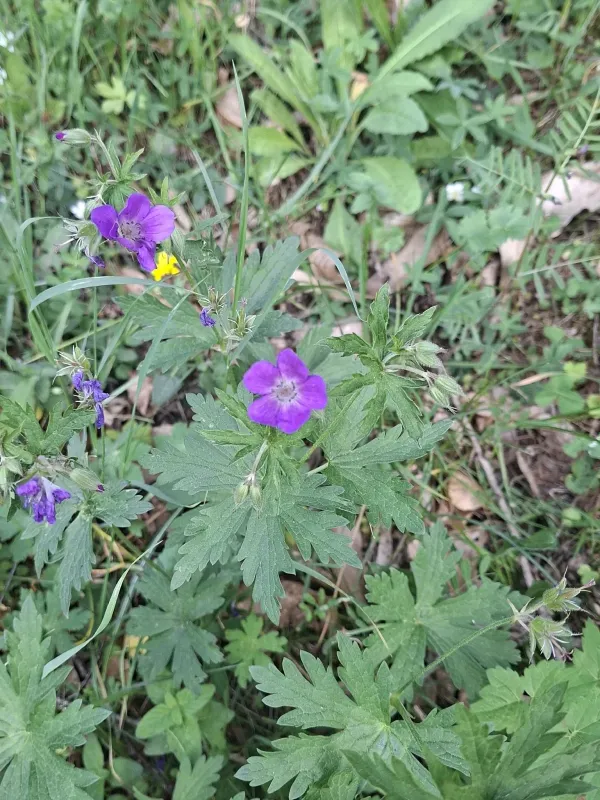
Description
Growing requirements
Wood cranesbill (Geranium sylvaticum L.) is a herbaceous perennial belonging to the Geraniaceae family. Native to Europe and Western Asia, it is typically found in moist woodlands, meadows, and mountain regions.
The plant thrives in fertile, well-draining, and humus-rich soils. It prefers partially shaded environments, making it an excellent candidate for forest gardening or understory planting in landscaped areas.
Climatic requirements include moderate temperatures and consistent moisture throughout the growing season. The plant is highly winter-hardy and requires minimal protection in regions with harsh winters.
Agricultural management involves regular weeding and occasional irrigation during dry spells. Incorporating organic compost in early spring supports vigorous growth and extended flowering periods.
Beyond its ornamental value, the plant is studied for its chemical profile, containing high levels of tannins. It is widely recognized for its ecological role as an early-season nectar source for pollinators.
Main diseases and pests
Powdery mildew is the most common fungal disease, especially in areas with poor air circulation. Improving spacing between individual plants is the primary strategy for effective prevention.
Pests such as aphids and leaf-eating beetles may occasionally impact the foliage. Integrated pest management using natural predators or organic sprays is recommended to maintain plant health.
Root rot is a significant threat in poorly drained soils. Ensuring adequate soil structure and proper water management is critical to prevent the loss of the perennial root system.
Leaf spots caused by various pathogens may appear in humid and rainy summers. Removing affected parts of the plant and clearing debris helps sanitize the growing environment.
General hygiene in the field, including monitoring for early signs of disease and removing infected plant matter, significantly enhances the longevity of the perennial stands.