
Pendulous Willow
Salix x pendulina Wender.
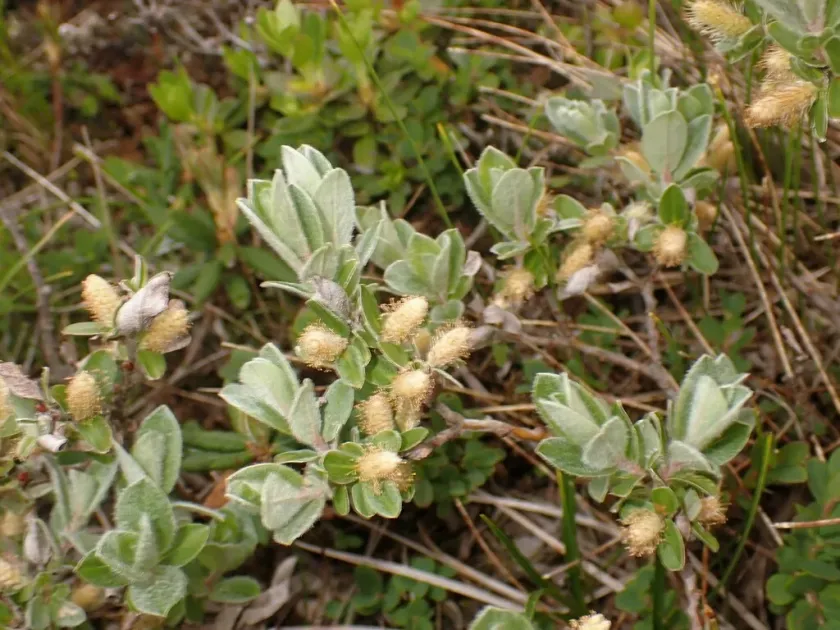
Description
Sowing dates
The Pendulous Willow (Salix x pendulina) is primarily propagated through vegetative methods, specifically using cuttings. Early spring is the optimal time for planting, just before the buds begin to swell and active sap flow initiates, ensuring successful rooting.
Dormant cuttings are typically harvested in late winter and planted in well-drained, moist soil. Inserting the cuttings deep into the ground while keeping only one or two buds above the surface maximizes the potential for establishing a robust root system.
When planting these trees for landscaping or decorative purposes, providing sufficient spacing is crucial. A distance of at least two meters between trees allows for the full expansion of the canopy and adequate airflow, which is essential for plant health.
Fall planting is an alternative, though it necessitates proactive protection against frost. Applying organic mulch around the root zone helps maintain soil temperature and prevents the freezing of young, underdeveloped roots during the first winter.
Given the rapid growth rate of the Pendulous Willow, regular maintenance is required to shape the canopy and manage its size. Watering immediately after planting is vital to eliminate air pockets and promote rapid contact between the cutting and the soil.
Growing requirements
Belonging to the family Salicaceae, this hybrid willow thrives in moist, riparian-like environments. While it demonstrates significant adaptability, it is happiest when planted in sites with consistent soil moisture or near water bodies.
Full sun is a non-negotiable requirement for this species. Exposure to direct sunlight throughout the day is necessary to maintain the tree's vigorous growth, aesthetic branch structure, and overall leaf density throughout the growing season.
The ideal soil for this cultivar is fertile, loamy, or sandy-loam with a slightly acidic to neutral pH. Although it can tolerate various soil types, extremely compacted clay can impede root development and should be amended with organic matter before planting.
The climate requirements include a preference for temperate zones. The tree exhibits good cold tolerance but performs best in regions where moisture remains available throughout the growing season, preventing summer stress from heat and drought.
Basic agronomic practices for this tree involve annual soil cultivation to remove weeds and prevent compaction. Applying a balanced fertilizer in the spring provides the necessary nutrients for the willow to produce lush foliage and healthy new shoots.
Main diseases and pests
The Pendulous Willow is susceptible to various fungal pathogens, most notably willow rust and leaf spot diseases. These conditions are often exacerbated by high humidity levels and poor air circulation within the tree's dense, weeping canopy.
Insect pests such as willow leaf beetles and aphids are common threats to this species. These pests feed on the leaves, causing aesthetic damage and, in severe cases, weakening the entire tree through repeated defoliation.
Effective management involves a combination of cultural and chemical controls. Pruning out dead or diseased branches improves airflow, which is a primary deterrent against the development of fungal spores and hiding spots for insect larvae.
For chemical intervention, systemic fungicides and insecticides should be used during the early stages of infestation. Monitoring the underside of the leaves during the warmer months allows for the early detection and control of pest populations.
- Regular inspection for signs of fungal rust.
- Management of soil moisture to prevent root-related issues.
- Sanitary pruning to remove infected branches.
- Application of specialized pest control treatments when necessary.