
Purple willow
Salix purpurea L.
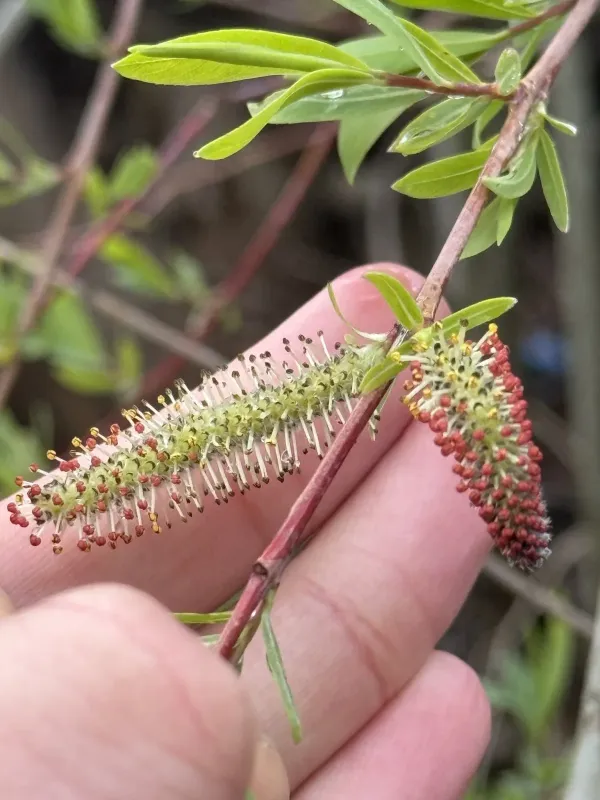
Description
Sowing dates
Planting of Salix purpurea is typically carried out in early spring before bud break, which ensures the highest possible success rate for root establishment.
While autumn planting is sometimes practiced, it carries a higher risk of winter damage to young shoots in regions with harsh, freezing temperatures.
Hardwood cuttings are the standard method for propagation; they are inserted into prepared soil, leaving only one or two buds exposed above the surface.
The spacing between plants is determined by the intended purpose, with high-density planting used primarily for the production of uniform, straight rods for weaving.
Soil preparation is crucial, involving deep plowing and thorough weed removal to reduce competition, as the young willow is sensitive to weed pressure in its first year.
Growing requirements
The purple willow belongs to the Salicaceae family and is recognized for its moisture-loving nature, thriving in riparian zones and areas with high water tables.
It exhibits great adaptability but prefers deep, loamy soils that are rich in nutrients and maintain a neutral to slightly acidic pH level.
Being a highly light-demanding species, it requires an open environment; shade significantly reduces the quality, straightness, and flexibility of the annual shoots.
Its natural range across Europe, North Africa, and Central Asia indicates a strong resilience and ability to adjust to diverse temperate climates.
Adequate drainage is necessary; despite its preference for moisture, stagnant cold water can negatively impact root respiration and lead to poor growth performance.
Yield
Yield in purple willow production is measured by the annual harvest of dry biomass, which can reach 8 to 12 metric tons per hectare under intensive management.
Productivity is highly dependent on regular coppicing, where the plants are cut back to the ground every year to stimulate vigorous vegetative growth.
The lifespan of a productive plantation typically ranges from 15 to 20 years, provided that proper soil fertility and moisture management are maintained throughout.
The quality of the harvested rods—determined by length, thinness, and pliability—is the primary driver of market value for the basketry and craft industries.
Fertilization, particularly with nitrogen-based nutrients, can significantly boost biomass accumulation during the active summer growing season.
Main diseases and pests
Willow leaf beetles are a major threat, as they can cause extensive defoliation, thereby weakening the plant and reducing the total biomass yield.
Fungal infections, such as rusts and various leaf spots, are common in poorly ventilated, overly dense, or excessively damp plantation environments.
Stem-boring insects may cause structural damage to the rods, leading to weakness and breakage, which renders the material unsuitable for high-quality weaving.
Management strategies should include regular field scouting, sanitation through the removal of infected debris, and selective use of approved pesticides if necessary.
- Integrated pest management practices.
- Maintaining optimal plantation density for airflow.
- Removing diseased wood during the winter harvest.
Harvesting
Harvesting is performed annually during the winter dormancy period, which is essential to ensure the longevity of the plant and the quality of the harvested wood.
Stems are cut close to the base, ensuring that the stool remains intact to allow for vigorous regeneration in the following spring season.
Post-harvest processing involves sorting by size and quality, followed by bundle drying or boiling if the bark needs to be removed for specific aesthetic requirements.
Proper harvest technique is vital to prevent mechanical damage to the stool, which could otherwise lead to premature decline or susceptibility to disease.
Stored material should be kept in cool, dry, and well-ventilated areas to prevent mold growth while maintaining the natural flexibility required for craftsmanship.