
Crack willow
Salix x fragilis L.
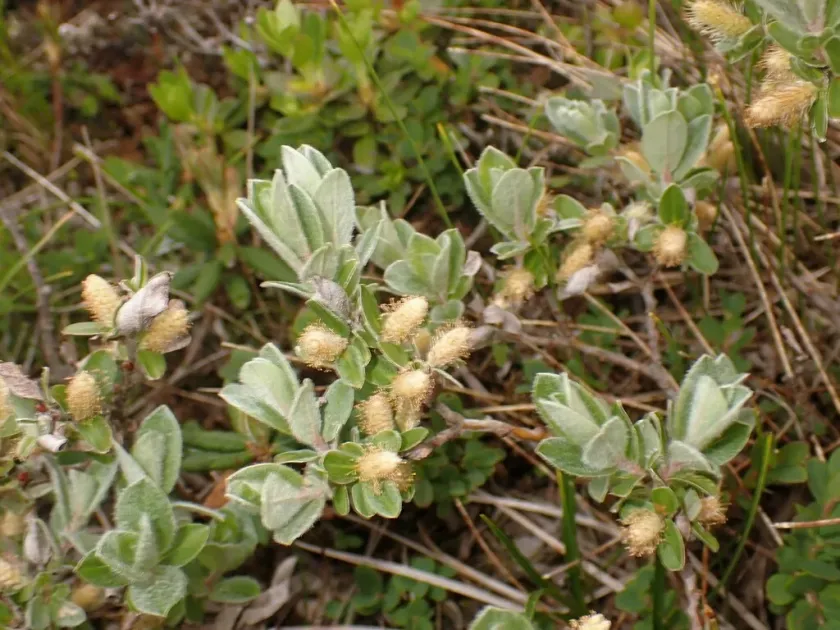
Description
Sowing dates
Propagation of crack willow is most commonly achieved through vegetative methods, specifically using hardwood cuttings taken in winter or early spring. The optimal time for harvesting and planting cuttings is during the plant's dormancy, before active sap flow begins.
Cuttings ranging from 20 to 30 centimeters in length are planted directly into moist, prepared soil, leaving one or two buds above the surface. This method ensures a high survival rate, as the species possesses a natural capacity for rapid rooting under sufficient moisture conditions.
In commercial plantation settings, it is essential to follow a planting pattern that ensures adequate light access for each plant. A standard density for energy or industrial purposes ranges from 15,000 to 20,000 cuttings per hectare, allowing for uniform biomass formation.
During the first weeks after planting, maintaining stable soil moisture is critical to prevent desiccation. Provided the temperature remains between 10–15 degrees Celsius, rooting occurs within 3–4 weeks, followed by vigorous above-ground growth.
Planting can take place either in specialized nurseries for subsequent transplanting or directly at the final growing site near water bodies or in areas with high water tables.
Growing requirements
Crack willow, belonging to the Salicaceae family, is a fast-growing tree or large shrub characterized by brittle branches that snap easily in high winds, which is the origin of its common name.
The crop is highly demanding regarding substrate moisture and prefers fertile, well-aerated loams or alluvial soils. It tolerates temporary flooding excellently, making it an ideal choice for riverbank stabilization and reclaiming marshy lands.
The plant is photophilous but can tolerate light shade when young. Optimal climatic conditions include temperate zones with sufficient rainfall during the growing season; it also displays high frost resistance.
For successful agricultural growth, it is recommended to select sites with a soil reaction ranging from slightly acidic to neutral. Applying nitrogen fertilizers during early growth stages significantly accelerates biomass accumulation.
Crack willow competes successfully with weeds, though in the first year of life, it requires careful management of competing vegetation in the root zone to ensure nutrient availability.
Yield
The economic use of crack willow spans a wide range of applications: from the production of wicker furniture and garden tools to the harvesting of woody biomass for energy needs.
When cultivated specifically for energy chips, the crop can yield significant growth volumes by the third or fourth year after planting, making it cost-effective for solid biofuel production.
The wood of crack willow is widely used in the pulp and paper industry, as well as for manufacturing lightweight construction materials, plywood, and woodwork that requires flexibility and lightness.
In the agricultural sector, this tree is often utilized to create windbreaks, which effectively prevent soil erosion and create a favorable microclimate for crops in open fields.
The leaves and shoots of the plant may be considered as a supplemental forage resource in livestock farming, although their use requires a preliminary analysis of specific glycoside content.
Main diseases and pests
The primary biological threats to crack willow include fungal diseases such as willow scab, which causes necrosis on shoots and leaves, significantly reducing the economic and aesthetic value of plantations.
Typical pests include leaf beetles and weevils, which can completely defoliate the plant during mass outbreaks, slowing down annual growth and weakening the tree's immune system.
Various rust fungi also affect the crop, particularly in years with abnormally high rainfall and poor crown ventilation, requiring timely application of fungicidal treatments.
The brittleness of the branches, a hallmark of the species, can lead to wounds that act as entry points for stem rot pathogens, necessitating regular sanitary pruning of damaged sections.
To minimize risks, it is necessary to maintain spatial isolation between plantations of different ages and to conduct preventive insecticidal treatments during the active periods of pest activity.