
White willow
Salix alba L.
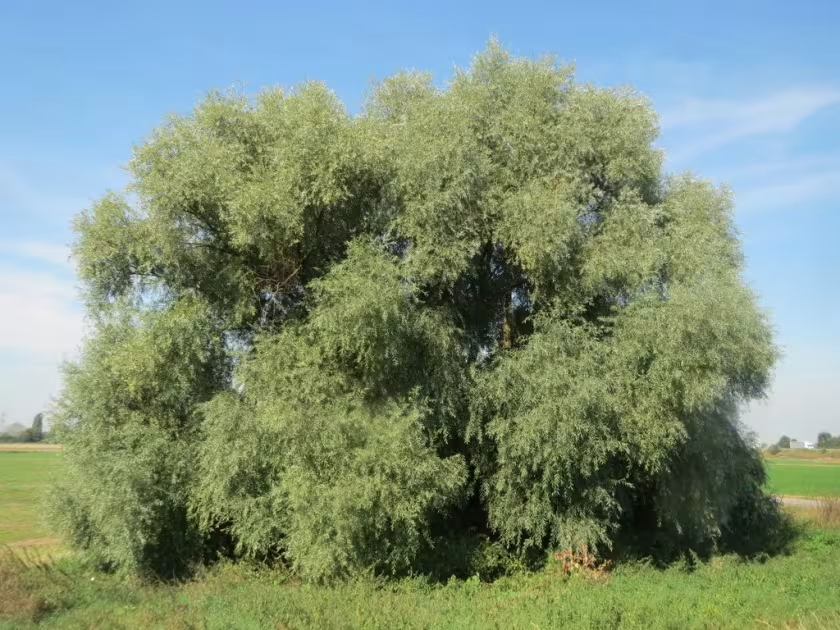
Description
Sowing dates
The cultivation of White willow (Salix alba) in commercial settings is primarily achieved through vegetative propagation using hardwood cuttings. The ideal time for planting is early spring, immediately after the soil thaws but before the buds begin to break dormancy, ensuring optimal rooting conditions.
Cuttings are usually harvested during the winter dormancy period when the plant's energy is concentrated in the stem. High-quality cuttings from one-year-old shoots are selected to ensure vigorous growth and high survival rates, which are critical for the establishment of a productive plantation.
During the planting process, cuttings are inserted into well-prepared, moist soil, leaving only one or two buds above the ground. Proper spacing is essential, depending on whether the primary goal is high-density energy biomass production or timber harvesting, influencing the final yield per hectare.
The application of root stimulants during the planting phase can significantly improve the establishment rate, particularly in challenging soil conditions. Adequate moisture is crucial during the first few months, necessitating regular irrigation if the spring season is drier than expected.
Site preparation involves deep plowing and effective weed control to minimize competition for nutrients and light. Establishing a clean, well-tilled seedbed allows the young willow plants to develop a strong root system rapidly, setting the stage for future growth cycles.
Growing requirements
White willow is a fast-growing member of the Salicaceae family known for its ecological adaptability. It thrives in open, sunlit areas, as it is a light-demanding species that requires significant solar exposure to maintain high growth rates and overall plantation productivity.
The primary environmental requirement for White willow is ample soil moisture. It is native to riparian zones and floodplains, making it exceptionally well-suited for wet, fertile alluvial soils where other traditional agricultural crops would fail due to waterlogging or anaerobic soil conditions.
While the tree prefers moist environments, it also requires well-aerated soil; therefore, sites with moving groundwater or good drainage are preferred over stagnant, waterlogged swamps. The plant exhibits high tolerance for various soil textures, from loams to sandy soils.
Regarding climate, White willow is characterized by excellent cold hardiness, allowing it to thrive in diverse geographical zones. It effectively tolerates sub-zero temperatures and requires a temperate climate with sufficient rainfall during the vegetative season to reach its full growth potential.
In terms of management, weed control is vital during the first two years of the plantation's life. Once the canopy closes, the willow plants effectively suppress undergrowth through shading, significantly reducing the maintenance requirements as the plantation matures.
Yield
The productivity of White willow is measured by its annual dry biomass production. Under intensive cultivation on energy plantations, yields can range from 10 to 18 tonnes of dry matter per hectare per year, depending on soil quality, water availability, and the specific clone used.
Plantations are typically managed on a 2 to 3-year harvesting cycle. This rotation allows the root system to accumulate energy, promoting vigorous regrowth after each cut, which leads to a productive life span of the plantation reaching up to 20 years or more.
Varietal selection plays a crucial role in maximizing yield. Modern breeding programs focus on clones with high cellulose content and superior growth rates, which directly translate into higher economic returns for biomass or pulpwood production purposes.
Climate factors such as the amount of precipitation and the length of the growing season are the main determinants of annual biomass accumulation. Favorable years with consistent moisture and warm temperatures show significant increases in yield compared to drier, less productive growing seasons.
Strategic fertilization during the establishment phase and early rotation years can substantially boost growth. Balanced nutrient management helps the plants reach their full genetic potential, ultimately ensuring that the plantation remains highly productive throughout its multi-year life cycle.
Main diseases and pests
White willow is susceptible to several fungal diseases, with willow rust being the most common. This pathogen causes early leaf senescence and drop, which can significantly reduce the photosynthetic capacity of the plants and lower overall biomass accumulation.
Leaf spot diseases caused by various fungal species can also affect plantations, especially during seasons with prolonged high humidity and warm temperatures. Monitoring and early intervention with fungicides are essential for maintaining the health of the crop in intensive systems.
Insect pests, particularly leaf beetles and weevils, can cause substantial damage by feeding on foliage. In severe cases, uncontrolled infestation can lead to defoliation, which stunts the growth of young plants and can be detrimental to the long-term success of the plantation.
Stem-boring insects may affect older trees, compromising the structural integrity of the wood. This not only weakens the plant but also reduces the quality of the biomass, making it less suitable for certain industrial applications where clean, unblemished wood is required.
Integrated pest management, including the use of resistant clones and regular scouting, is the most effective approach. By maintaining optimal environmental conditions and plantation hygiene, the risk of widespread disease or pest outbreaks is kept to a minimum.
Harvesting
Harvesting White willow for biomass is a fully mechanized process utilizing specialized forage harvesters equipped with headers designed to cut and chip the stems in a single pass. This efficiency is key to maintaining low production costs in industrial energy farming.
The optimal harvest window is during the winter months, once the trees have entered dormancy and shed their leaves. This timing minimizes the moisture content of the harvested material, which is critical for biomass quality and energy density, and facilitates easier transport.
Stems must be cut as close to the ground as possible to encourage the development of new, high-quality shoots from the stump in the following spring. Precision in the harvesting process directly influences the longevity and future productivity of the entire plantation.
Post-harvest storage requires careful planning to prevent moisture regain or biological degradation of the wood chips. Providing well-ventilated storage areas or processing the biomass immediately after harvest helps preserve the energy value of the material until final usage.
Efficient logistics and transport organization are essential for large-scale operations. Coordinating the harvest timing with demand ensures a seamless supply chain, which is crucial for the operational profitability of willow-based energy or industrial pulp projects.