
Vriesea heterostachys
Vriesea heterostachys
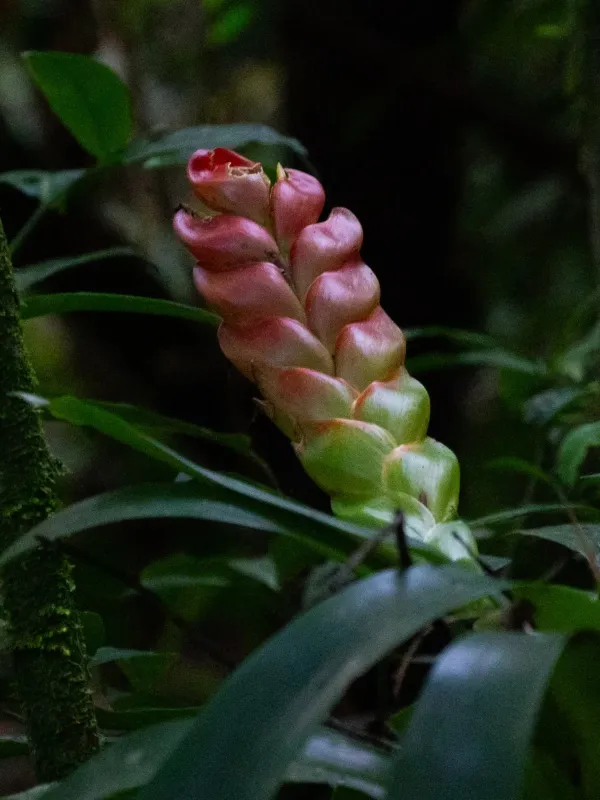
Description
Growing requirements
Vriesea heterostachys is a notable member of the Bromeliaceae family, widely recognized for its striking aesthetic appeal. Originating from the tropical forests of Central and South America, this plant is an epiphyte, meaning it naturally grows on trees or rocks rather than in soil, relying on its specialized leaf structure to gather moisture and debris.
Regarding climate requirements, the plant thrives in tropical conditions with temperatures consistently ranging from +22 to +26 degrees Celsius. It is highly sensitive to cold, and any temperature drop below +18 degrees Celsius can severely impact its growth and may even halt the development of its unique, branched inflorescences.
Effective cultivation requires bright, filtered light. Direct exposure to intense sunlight often leads to leaf scorch, which compromises the plant's ornamental quality. Therefore, greenhouses or indoor spaces must use shade cloths to ensure the light is adequately diffused throughout the growing period.
The growing medium for this species must be exceptionally well-draining and aerated. A standard epiphyte substrate composed of pine bark, charcoal, peat, and sphagnum moss provides the necessary structure and acidity. High porosity is essential to prevent waterlogged roots, which are prone to decay.
Agrotechnical practices involve a unique watering method: water is applied directly into the central tank formed by the leaf rosette. This reservoir system mimics the plant's natural adaptation. It is critical to use soft, room-temperature water and maintain high ambient humidity levels through consistent misting or specialized humidification equipment.
Main diseases and pests
The primary pests affecting Vriesea heterostachys include mealybugs and scale insects. These pests often congregate in the leaf axils, making them difficult to detect early. If left untreated, they extract sap from the plant, causing chlorosis, stunted growth, and eventual plant decline.
Fungal pathogens such as root and crown rot are common issues, primarily triggered by overwatering or poor ventilation. Once the base of the rosette begins to soften or turn brown, the infection is often advanced, necessitating the immediate removal of affected tissue and the application of fungicides.
Another significant risk is the accumulation of mineral salts within the leaf tank, often caused by hard water. This chemical buildup can burn the sensitive plant tissues, resulting in necrotic spots on the foliage and inhibiting the plant's ability to flower successfully.
Inadequate airflow can promote the development of sooty mold or other opportunistic fungal diseases. Regular ventilation and a clean environment are essential preventive measures. Proper management of the plant's environment is far more effective than chemical intervention in the long run.
Consistent monitoring and proper sanitation of cultivation tools are vital to prevent the spread of diseases. By ensuring that the plant is not kept in a static, stagnant environment, growers can maintain its health and enhance its overall longevity and decorative potential.