
Vriesea carinata
Vriesea carinata
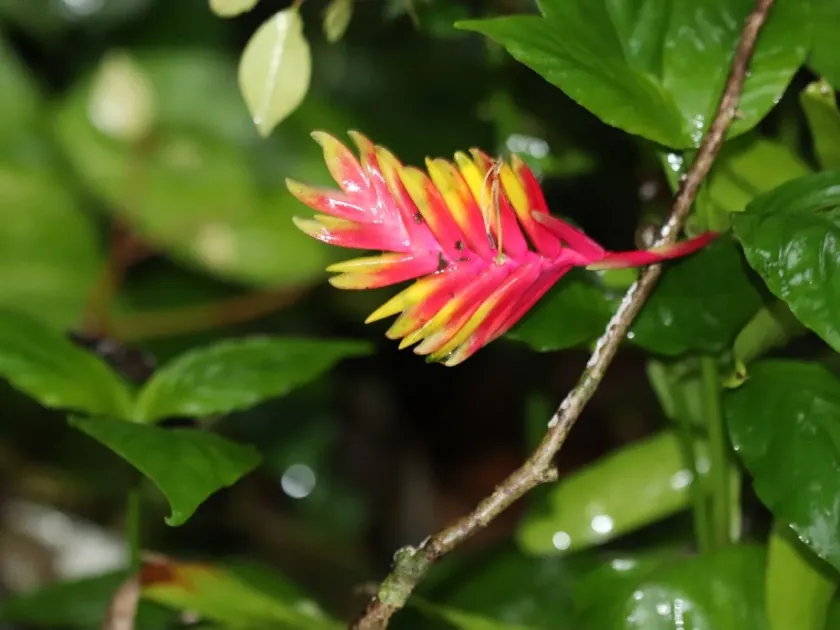
Description
Growing requirements
Vriesea carinata, commonly known as the lobster claw bromeliad, is a stunning epiphytic species from the Bromeliaceae family. Originating from the humid forests of Brazil, this plant has evolved to grow on tree trunks, absorbing moisture and nutrients directly from the air and rain.
The culture requires bright, indirect light to thrive and develop its characteristic vibrant inflorescences. Direct sunlight is detrimental, as it causes leaf scorch and dehydration. Temperatures should be kept between 20°C and 26°C throughout the growing season for optimal development.
Cultivation practices must prioritize high ambient humidity, ideally above 70%. Irrigation should be directed into the central leaf rosette, ensuring that the water is fresh and at room temperature. The growing medium must be loose, porous, and acidic to mimic the natural epiphytic habitat.
The ideal potting mix consists of pine bark, peat, and sphagnum moss. This combination ensures excellent aeration and prevents waterlogging of the root system, which is crucial for preventing physiological disorders in this specific crop.
In ornamental horticulture, Vriesea carinata is prized for its long-lasting, keel-shaped inflorescences. It is primarily used as a decorative potted plant, highly valued for interior landscaping and professional floral arrangements due to its exotic appearance.
Main diseases and pests
Common pests affecting this crop include scale insects and mealybugs. These pests hide in the leaf axils, creating small cottony clusters that drain the plant's vitality. Early detection and mechanical removal are essential for effective management.
Pathogenic threats mainly involve root rot and heart rot, typically triggered by overwatering or poor drainage conditions. These fungal issues lead to the discoloration of the foliage and eventual collapse of the central rosette if not treated promptly.
- Use systemic insecticides to manage persistent mealybug infestations.
- Avoid wetting the soil excessively; keep the substrate just slightly damp.
- Provide adequate ventilation to prevent the development of mold or fungal spores.
- Inspect new plants for signs of infestation before placing them in a greenhouse.
- Sterilize all potting equipment to avoid spreading soil-borne pathogens.