
Vriesea ensiformis
Vriesea ensiformis
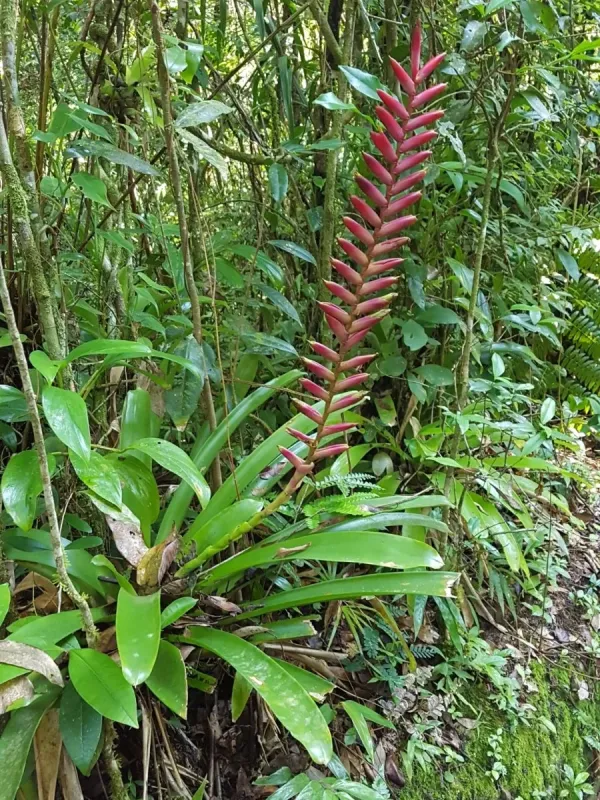
Description
Growing requirements
Vriesea ensiformis is a member of the Bromeliaceae family, native to the tropical rainforests of Brazil. In an agricultural context, it is cultivated primarily as an ornamental epiphyte, prized for its striking sword-shaped floral spikes and long-lasting inflorescences.
The plant requires bright, indirect light to thrive; intense direct sunlight can damage the leaves. Greenhouse temperatures should ideally range between +20°C and +26°C. During the winter, the temperature must not drop below +15°C to avoid metabolic dormancy and potential stress.
The growing medium must be highly porous to ensure oxygen reaches the root system. A standard substrate consists of orchid bark, perlite, sphagnum moss, and high-quality peat. This composition mimics the natural epiphytic environment while retaining sufficient moisture.
Effective agrotechnical care involves filling the central rosette with filtered or rainwater. The water should be replaced regularly to prevent the accumulation of salts or the development of anaerobic conditions within the tank of the plant.
Vriesea ensiformis is commercially significant in the floriculture industry. Growers focus on producing high-quality specimens with vibrant, healthy leaves and mature, long-flowering spikes, ensuring they meet market standards for aesthetic appeal.
Main diseases and pests
Scale insects and mealybugs are the most common pests affecting this species. They hide in the leaf axils and the base of the rosette, where they feed on sap. Integrated pest management using systemic insecticides is necessary to control these infestations effectively.
Root and crown rot represent the most serious pathological threats, usually caused by overwatering or poor drainage. Once decay begins at the base of the rosette, it is often difficult to reverse, emphasizing the importance of preventive watering practices.
Spider mites may occur during periods of low humidity. Keeping the ambient humidity high (around 60-70%) is an effective preventive measure. If mites appear, acaricide application is recommended to restore the health of the plant.
Botrytis, or gray mold, can affect the plant if ventilation is insufficient. Providing constant air circulation in the greenhouse environment significantly reduces the risk of this disease, especially during periods of high atmospheric moisture.
Strict sanitary protocols are essential in large-scale production. All tools must be disinfected before use on different plants to prevent the spread of viral or bacterial pathogens, ensuring the health and uniformity of the crop.