
Vriesea fenestralis
Vriesea fenestralis
Description
Growing requirements
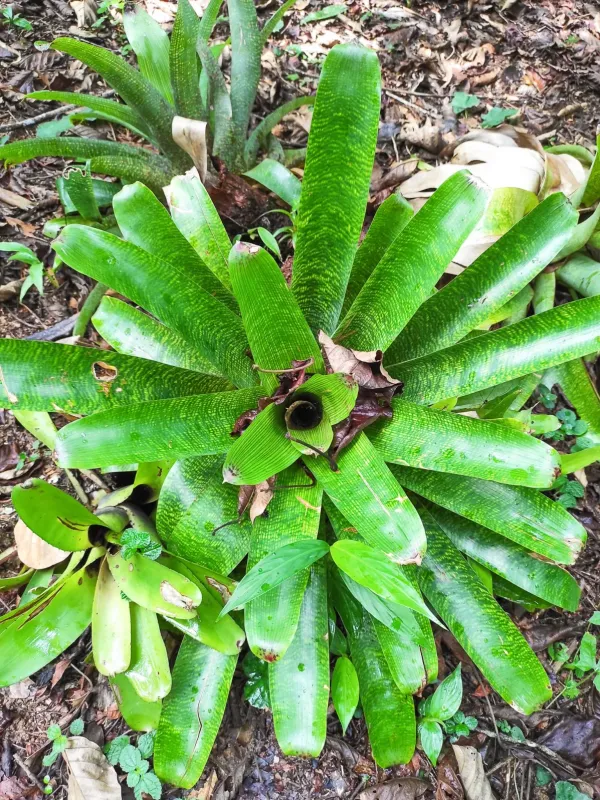
Vriesea fenestralis is a notable member of the Bromeliaceae family, renowned for its striking foliage featuring a delicate, window-like lattice pattern. Native to the tropical rainforests of Brazil, it naturally grows as an epiphyte on host trees.
The optimal temperature range for this species is between 20°C and 25°C. As a tropical plant, it is intolerant of cold drafts and temperatures dropping below 15°C, which can cause severe physiological stress to the root system and leaves.
Light requirements are specific: it thrives in bright, filtered light. Direct sun exposure must be avoided, as the intense radiation can scorch the foliage and fade the unique green reticulation that gives the plant its common name.
The potting medium must prioritize aeration and drainage. A standard bromeliad mix consisting of orchid bark, perlite, and high-quality peat moss is ideal to ensure that roots can breathe while maintaining necessary moisture levels.
Watering should be performed by pouring water into the central tank (rosette) of the plant. It is crucial to use soft, room-temperature water and to ensure that the water in the tank is flushed out periodically to prevent salt buildup.
Main diseases and pests
Mealybugs are the primary pest threat for Vriesea fenestralis. They often accumulate in the tight crevices of the central leaf rosette, where they are difficult to reach with standard surface treatments, often requiring systemic insecticides.
Scale insects can attach themselves to the undersides of the leaves. These pests sap the vitality of the plant, leading to stunted growth and potentially facilitating the entry of sooty mold, which impairs photosynthesis.
Root rot is a critical threat primarily caused by waterlogged substrates or poor drainage. Once the roots are compromised, the entire plant structure quickly destabilizes, making it difficult to recover without drastic remedial measures.
Low humidity levels, particularly in heated indoor environments, can encourage spider mite infestations. These pests cause fine yellow stippling on the leaves, severely affecting the aesthetic value of the specimen.
- Maintain proper air circulation to prevent fungal growth.
- Use only distilled or rainwater for irrigation.
- Isolate new plants to monitor for potential pest introduction.