
Utricularia uliginosa
Utricularia uliginosa
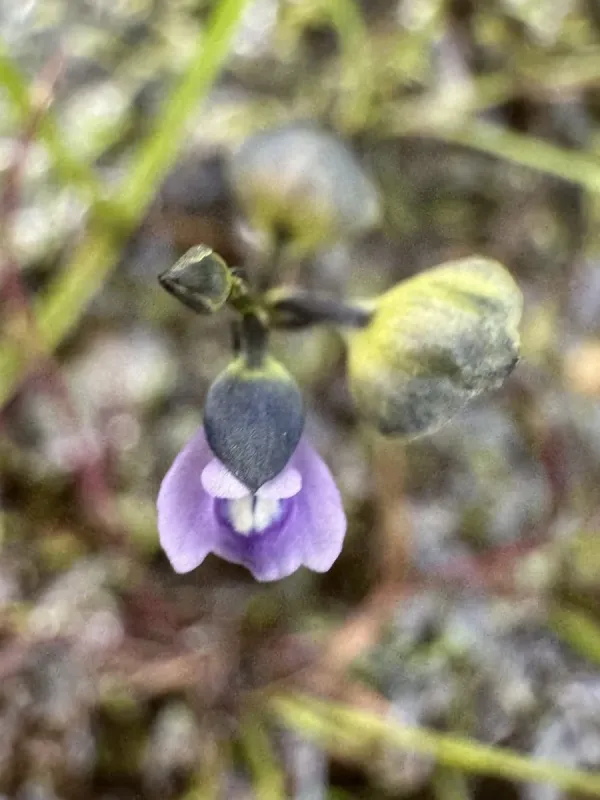
Description
Growing requirements
Utricularia uliginosa is a species within the Lentibulariaceae family. It is a carnivorous plant native to wetlands, marshes, and damp sandy areas across Asia, Australia, and the Pacific Islands, where it thrives in humid tropical conditions.
Cultivation requires a substrate that mimics its natural boggy habitat. A mixture of peat moss and horticultural sand is considered the standard, providing both acidity and moisture retention without adding excessive nutrients.
Water quality is of paramount importance for this species. Only pure water—distilled, reverse osmosis, or clean rainwater—should be used, as tap water typically contains dissolved minerals that are lethal to the plant's delicate root systems.
High levels of light are essential for Utricularia uliginosa to maintain its vibrant green color and promote flowering. It should be grown in bright, indirect light to avoid leaf scorching, which can occur under direct, intense midday sun.
The plant requires a steady environment with temperatures consistently between +20°C and +30°C. Maintaining high atmospheric humidity is also necessary, especially when growing the plant in containers or greenhouses.
Main diseases and pests
Fungal pathogens represent the most significant threat to the health of the crop. Excessive humidity combined with poor air circulation often creates ideal conditions for mold, which can rapidly rot the plant stems.
Pests like aphids are common threats in glasshouse environments. Since the plant is sensitive to chemicals, any infestation should be treated cautiously, preferring manual removal or mild insecticidal soaps if absolutely necessary.
Algae proliferation in the water tray is a major issue that can suffocate the plant by outcompeting it for light and carbon dioxide. Regular cleaning of the water vessels and managing light intensity can help keep algal growth in check.
Nutrient burn is a frequent issue caused by well-intentioned but harmful fertilization. As a carnivorous plant, it is evolutionarily adapted to nutrient-poor soils and will suffer chemical burns if standard fertilizers are applied to the soil.
Substrate compaction over time can restrict oxygen flow to the roots. Periodic repotting or loosening of the top layer of the growth medium is advised to ensure long-term vigor and prevent root suffocation.