
Utricularia affinis
Utricularia affinis
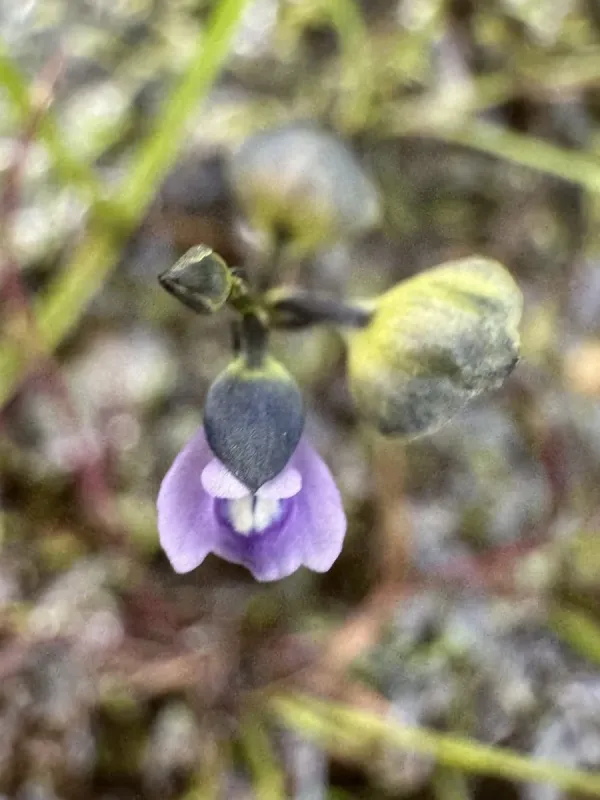
Description
Growing requirements
Utricularia affinis, commonly known as a member of the bladderwort family (Lentibulariaceae), is a specialized carnivorous plant adapted to nutrient-poor aquatic and semi-aquatic environments. It is recognized for its sophisticated trap mechanisms.
The plant originates from tropical regions, specifically across parts of Asia and Australia. It typically inhabits shallow wetlands, seasonally flooded areas, and acidic marshes where nitrogen levels in the substrate are insufficient for conventional plant growth.
Biologically, the species possesses specialized bladder-like traps that function through a negative pressure system. When triggered by small aquatic prey, the bladder sucks in water and organisms, providing the plant with essential nutrients that are otherwise unavailable in its habitat.
Regarding environmental needs, this species thrives in warm, stable conditions with high humidity and intense indirect light. It strictly requires low-conductivity, acidic water (pH 5.0–6.5) to maintain the functionality of its rootless or poorly developed root systems.
From a utilization perspective, Utricularia affinis is not a crop in the agronomic sense. It is predominantly studied in botanical research and maintained by enthusiasts of carnivorous plants. Its role in the ecosystem is tied to nutrient cycling in sensitive aquatic habitats.