
Utricularia baouleensis
Utricularia baouleensis
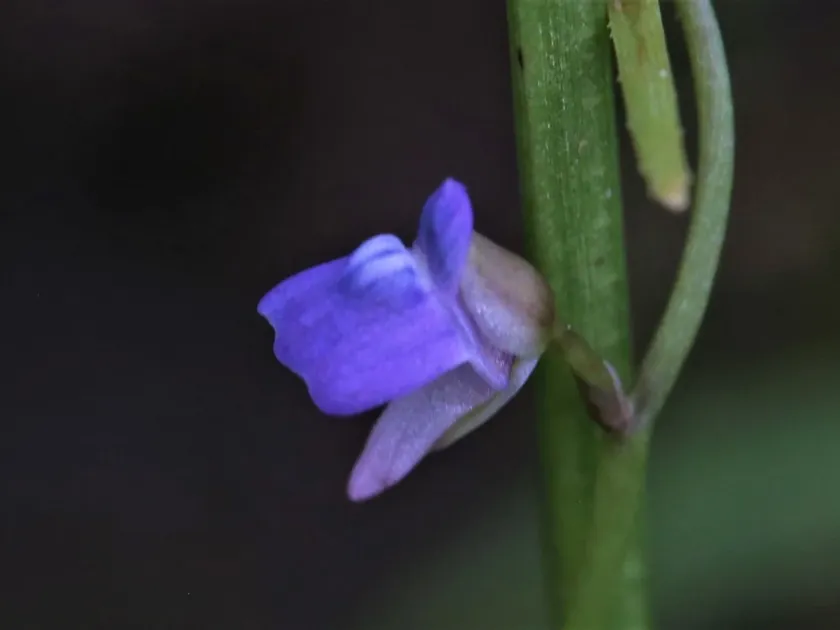
Description
Growing requirements
Utricularia baouleensis is a species of carnivorous plant belonging to the Lentibulariaceae family. Native to tropical Africa, it is known for its delicate growth habit and small, specialized trapping bladders.
This species thrives in moist, nutrient-poor substrates, typically consisting of sand and peat moss. It does not require conventional fertilization, as it supplements its nutrients by catching small organisms.
Temperature management is critical for this plant. It prefers warm, stable conditions, ideally between 22 and 28 degrees Celsius, to mirror its natural tropical environment.
High humidity levels are essential for the survival of the foliage and the functionality of the bladders. Maintaining a humid environment, often within a terrarium, is standard practice.
Water quality is of the utmost importance. Only distilled, reverse osmosis, or rain water should be used, as mineral-heavy tap water will quickly damage the root system.
Main diseases and pests
Fungal pathogens represent the most significant threat to this plant. High humidity combined with poor air circulation often leads to rapid decay and rot.
Insects like aphids can occasionally infest the foliage, though the plant's unique biological status requires caution when applying any pesticides or systemic treatments.
Algal growth in the standing water can become a major competitor for resources, effectively shading out the plant and stunting its growth if left unchecked.
Mineral burn is a frequent issue caused by improper irrigation methods. It manifests as yellowing or browning leaves and an immediate cessation of growth.
Lack of light during the darker winter months can lead to weakened stems and loss of vigor, necessitating the use of specialized supplemental plant lighting systems.