
Utricularia bifida
Utricularia bifida
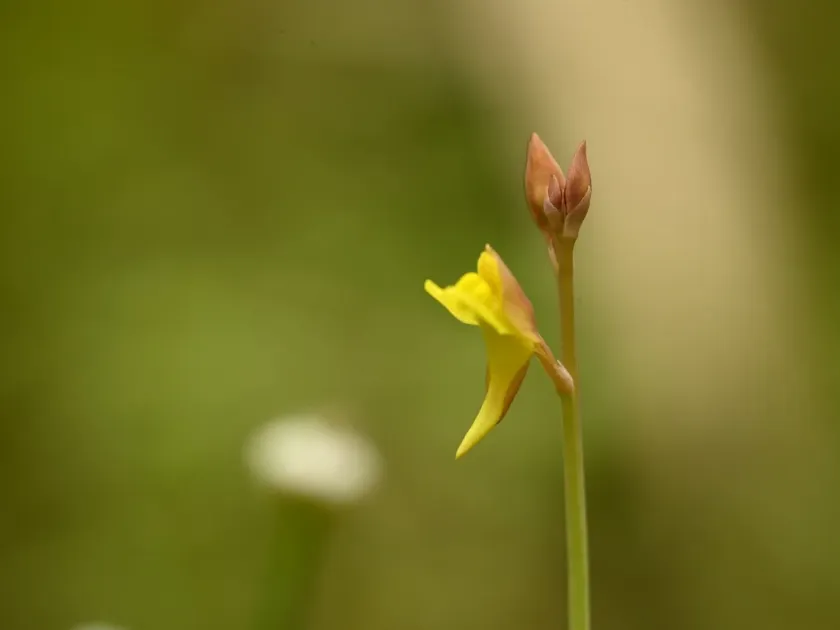
Description
Growing requirements
Utricularia bifida is a remarkable carnivorous species belonging to the Lentibulariaceae family. While not a commercial crop in the traditional agricultural sense, it is highly valued among enthusiasts for its unique biological trapping mechanism and specialized growth habits.
The plant originates from tropical and subtropical regions, spanning across Asia and Australia. It is commonly found in damp grasslands, bogs, and waterlogged areas, frequently adapting to seasonal water fluctuations in tropical habitats.
Botanically, this species is defined by its small, bladder-like structures attached to submerged or subterranean shoots. These bladders function as sophisticated traps, allowing the plant to capture microscopic prey to supplement its nitrogen intake in nutrient-poor environments.
Cultivation requires conditions that mimic its native wetland environment. This includes high humidity levels, ample bright indirect light, and consistent temperatures ranging between 20°C and 28°C throughout the growing cycle.
The choice of growing medium is vital for success. A mixture of peat moss and perlite or silica sand is recommended, ensuring the soil remains consistently moist. Only distilled or reverse osmosis water should be used to prevent mineral buildup, which is toxic to this species.
Main diseases and pests
Fungal pathogens represent the most significant threat to Utricularia bifida, particularly in poorly ventilated or excessively stagnant environments. These infections can quickly destroy the delicate stolons and foliage if not addressed promptly.
Pests such as fungus gnats pose a risk, as their larvae can consume roots and damage the structural integrity of the plant. Biological controls or physical barriers are often preferred over chemical treatments, which the plant is highly sensitive to.
Environmental stress, such as exposure to chlorinated water or fertilized potting soil, acts as a major limiting factor. The plant lacks a developed root system for mineral absorption and relies entirely on its specialized traps, making it highly vulnerable to nutrient toxicity.
Algal blooms on the surface of the substrate can outcompete the plant for resources and block necessary light penetration. Regular monitoring and removal of competing bryophytes or algae are essential for maintaining a healthy culture.
Drought stress is lethal for this wetland species. Even short periods of desiccation can lead to the permanent loss of viability, necessitating a robust water management strategy to maintain constant moisture in the root zone.