
Bremi's bladderwort
Utricularia bremii
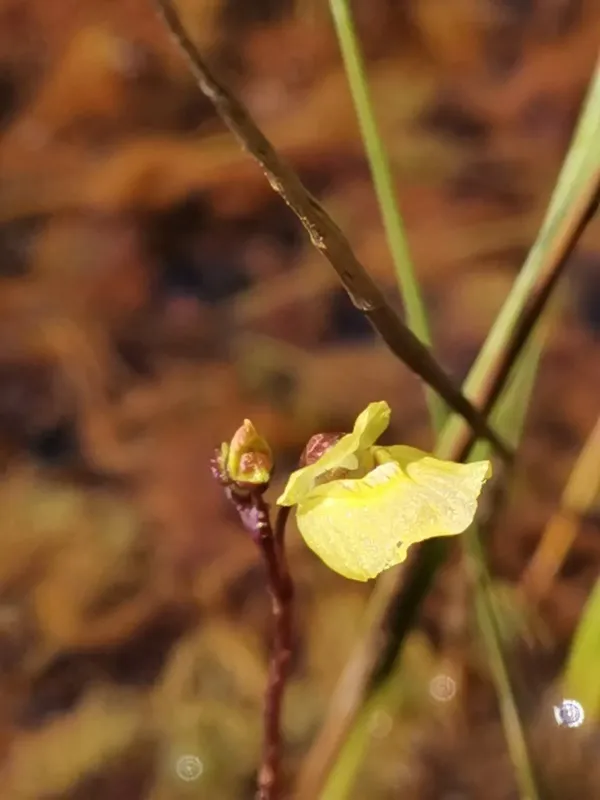
Description
Growing requirements
Bremi's bladderwort (Utricularia bremii) is a rare carnivorous aquatic plant belonging to the family Lentibulariaceae. It is not an agricultural crop but rather a specialized species of wetland flora that plays a significant role in its natural ecosystem.
The plant lacks true roots and is characterized by a free-floating vegetative body equipped with tiny bladders. These organs function as sophisticated traps that capture small aquatic microorganisms, which provide the plant with essential nutrients, particularly nitrogen.
It thrives in shallow, oligotrophic, or mesotrophic water bodies such as swamps, ponds, and slow-moving drainage ditches. The water must be clear and low in nutrients, as the plant is extremely sensitive to changes in water quality and chemical composition.
High sunlight exposure is crucial for its growth and successful blooming. The plant prefers habitats with a stable hydrological regime where water levels remain consistent throughout the growing season to prevent desiccation of the shallow environments it inhabits.
In terms of agricultural relevance, Utricularia bremii does not have any cultivation guidelines as it is protected in many jurisdictions. It is strictly a subject of botanical study and environmental monitoring rather than a species cultivated for human use.
Main diseases and pests
The primary threat to Bremi's bladderwort is water pollution, specifically eutrophication caused by agricultural runoff containing nitrates and phosphates. This nutrient enrichment promotes algae growth, which blocks sunlight and outcompetes the bladderwort for space.
Hydrological alteration, including land drainage, canalization, and the destruction of wetlands, significantly reduces suitable habitats. The drying of transient water bodies during prolonged droughts is a major factor leading to the loss of local populations.
Sedimentation and siltation of water bodies resulting from erosion or improper land management reduce the depth of water and negatively impact the plant's ability to survive. These changes alter the physical environment required for the plant's unique capture mechanism.
Invasive species of aquatic vegetation pose a significant competitive threat, often spreading rapidly and replacing the delicate native flora of the Utricularia genus. Lack of specific pests does not protect the plant from broader ecological degradation.
Conservation efforts for this species focus on maintaining high water quality standards and protecting sensitive wetlands from human development. No chemical control methods are applicable, and protection remains the sole management strategy for this rare plant.