
Utricularia arenaria
Utricularia arenaria
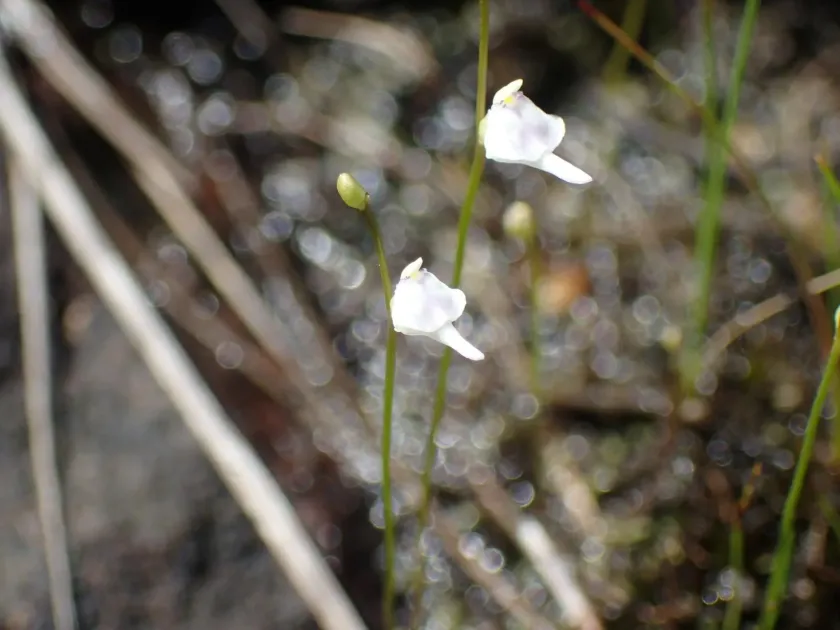
Description
Growing requirements
Utricularia arenaria belongs to the Lentibulariaceae family and is recognized as a terrestrial carnivorous plant. Unlike aquatic species, this plant thrives in moist sandy soils, utilizing its specialized bladder-like traps to catch microscopic prey.
Originating from the tropical regions of Africa, this species has evolved to inhabit nutrient-poor environments. Its survival depends on its ability to digest small organisms to supplement its nitrogen and phosphorus intake in sandy habitats.
When cultivating this species, a soil mix of high-quality quartz sand and sphagnum peat is essential. It is crucial that the medium remains acidic and completely free of any added fertilizers, as the plant is highly sensitive to mineral salts.
The plant requires high levels of ambient humidity, ideally sustained within a terrarium or a similar enclosed setup. Constant moisture at the roots is vital, typically achieved through the tray method using distilled or reverse osmosis water only.
Light intensity should be high but diffused to prevent leaf scorching. During the growing season, a consistent temperature range between 20°C and 28°C ensures optimal growth and the frequent appearance of its small, delicate flowers.
Main diseases and pests
The most common threat to Utricularia arenaria is the use of non-purified water, which leads to toxic salt accumulation in the substrate. This process rapidly destroys the delicate roots and prevents proper prey digestion.
Fungal pathogens and mold growth are significant risks in closed environments with poor ventilation. Regular air exchange is necessary to keep the foliage healthy and free from bacterial infections.
Pests like fungus gnats or aphids can infest the plant, causing direct damage to the leaves and traps. Chemical treatments must be used with extreme caution to avoid harming the plant's sensitive metabolism.
Overfeeding the plant with large insects can cause the digestive enzymes to overwhelm the bladder traps, leading to decay. It is recommended to let the plant catch its own prey naturally within the enclosure.
Environmental stress, such as sudden drops in temperature or drastic changes in humidity, makes the plant susceptible to secondary infections and stunted development.