
Utricularia australis
Utricularia australis
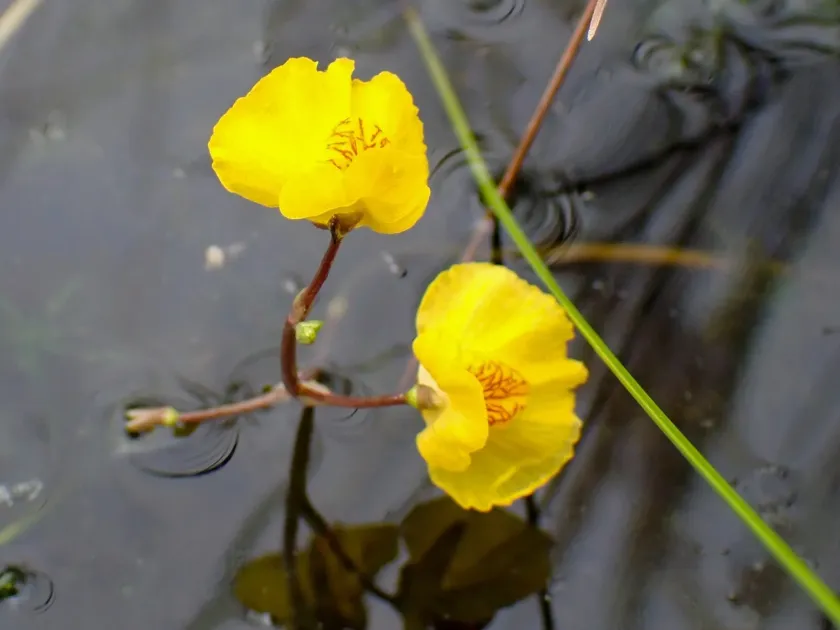
Description
Growing requirements
Utricularia australis, commonly known as the southern bladderwort, is a perennial aquatic carnivorous plant belonging to the Lentibulariaceae family. Unlike conventional crops, this species survives by capturing small aquatic organisms using specialized traps called bladders found on its leaves.
The plant is native to a broad range of regions across Europe, Asia, and Australia. It typically colonizes stagnant or slow-moving water bodies, such as ponds, marshes, and ditches, where the water is nutrient-poor, particularly lacking in available nitrogen, which necessitates its carnivorous strategy.
Botanically, it consists of a branching stem without true roots, which can extend for several meters. The finely divided leaves are equipped with numerous traps that utilize a pressure-sensitive mechanism to snap shut when tiny invertebrates approach, demonstrating remarkable evolutionary adaptation.
For optimal growth, Utricularia australis requires a temperate climate and high levels of ambient light. It is a highly sensitive organism that acts as an indicator of water quality, thriving only in environments free from heavy agricultural runoff, synthetic pesticides, or excess mineral fertilizers.
While not a traditional agricultural commodity, it is valued in horticulture for pond decoration and ecological restoration. It serves as a natural biological filter and contributes to the biodiversity of aquatic habitats, making it an important subject for ecological conservation efforts.
Main diseases and pests
Eutrophication caused by agricultural runoff is the primary threat to the southern bladderwort. The influx of nitrogen and phosphorus from nearby fields causes algal blooms, which reduce light penetration and suffocate the plant, preventing it from functioning effectively.
The species is susceptible to various fungal and bacterial infections when the water quality deteriorates due to the accumulation of organic debris. These pathogens can rapidly weaken the vegetative structure, leading to mass die-offs in enclosed water systems.
Various aquatic insect larvae can act as pests, feeding on the tender stems of the plant and damaging its photosynthetic surface. Furthermore, competition from aggressive invasive macrophytes can choke out the bladderwort, reducing its access to essential space and resources.
Water pH stability is crucial for the survival of the plant. Significant shifts toward alkalinity or high acidity can inhibit the metabolic processes necessary for the plant to maintain the negative pressure within its bladders, effectively stopping its ability to feed.
Maintaining clear, undisturbed water conditions is vital for the survival of Utricularia australis populations. Protecting water bodies from industrial or agricultural contamination through strict environmental buffer zones is necessary to ensure the preservation of this unique species.