
Stygian bladderwort
Utricularia stygia
Description
Growing requirements
Stygian bladderwort (Latin: Utricularia stygia) is a perennial carnivorous aquatic plant belonging to the Lentibulariaceae family. This species is a highly specialized inhabitant of oligotrophic aquatic environments, thriving in acidic and nutrient-poor water conditions.
In its natural habitat, the plant grows in stagnant or slow-moving waters such as peat bogs, ditches, and shallow areas of lakes. Its distribution range spans the northern regions of Europe and parts of North America, where climatic conditions provide cool, temperate water environments.
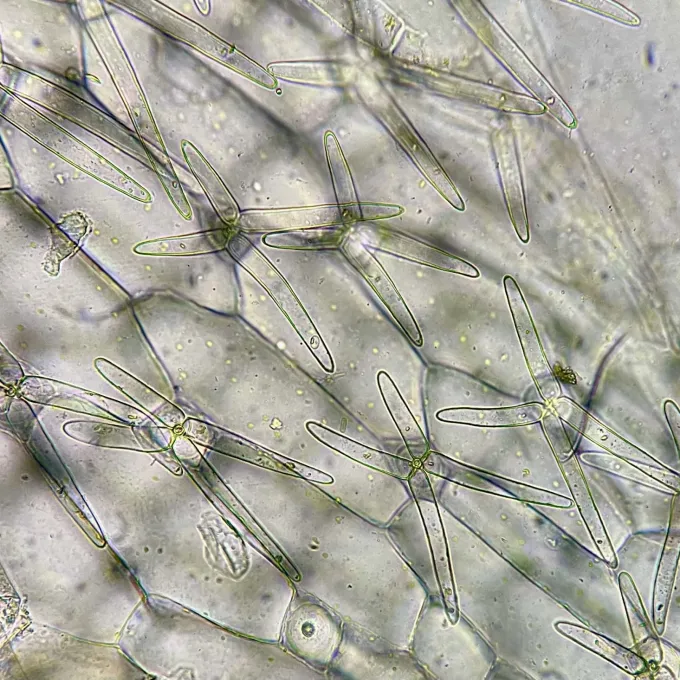
Botanically, the species is characterized by the absence of true roots and the presence of specialized structures known as bladders. These traps allow the plant to capture small aquatic invertebrates, supplementing its nitrogen and phosphorus intake in environments where soil nutrients are severely limited.
The plant exhibits high sensitivity to water quality. It requires clear, chemically pure water with low salt and organic compound concentrations. Pollution of water bodies due to nutrient runoff or eutrophication leads to the rapid decline and death of populations of this species.
Adequate light penetration is a critical factor for survival. The Stygian bladderwort depends on photosynthesis, which is why it typically colonizes open, unshaded areas where the water surface is not obstructed by dense mats of taller aquatic vegetation.
Main diseases and pests
Major threats to this species include human interference, bog drainage, and the overall eutrophication of wetland ecosystems. Changes in water pH levels, often caused by agricultural activities in nearby areas, result in the displacement of Utricularia stygia by more invasive plant species.