
Starry bladderwort
Utricularia stellaris
Description
Growing requirements
The Starry bladderwort (Utricularia stellaris) is a fascinating species belonging to the Lentibulariaceae family. As a free-floating carnivorous plant, it thrives in tropical and subtropical freshwater ecosystems across Africa, Asia, and Australia.
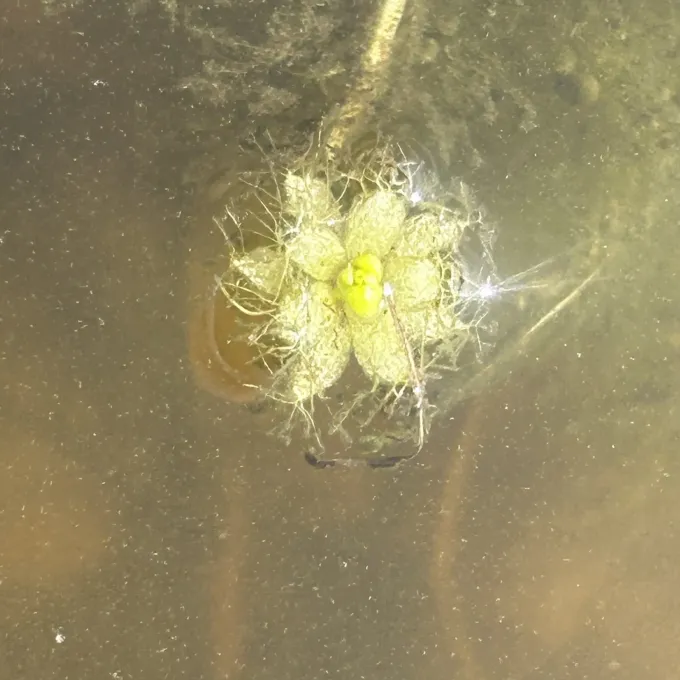
The plant is distinguished by its unique vegetative adaptations, including specialized float-like leaves arranged in a star shape. These floats ensure the plant remains buoyant, specifically supporting the inflorescences above the water surface during flowering.
Cultivation requires specific environmental parameters to simulate natural wetlands. It demands high levels of natural sunlight and stable, warm water temperatures, typically ranging between 22°C and 28°C for optimal growth rates.
Regarding water quality, the plant is quite sensitive to nutrient-rich water. It performs best in oligotrophic or mesotrophic aquatic environments with low alkalinity, as excessive nitrates can trigger algal blooms that choke the bladderwort.
In terms of agricultural or botanical management, it is essential to ensure the presence of tiny aquatic prey. The bladder traps rely on microscopic crustaceans and rotifers, which are vital for the plant's nutrient uptake in nitrogen-poor water.
Main diseases and pests
Major threats to the survival of this species include water pollution from nitrogen-based fertilizers and habitat loss due to land development. Furthermore, invasive aquatic weeds often outcompete the bladderwort for surface space and available light.