
Utricularia sandersonii
Utricularia sandersonii
Description
Growing requirements
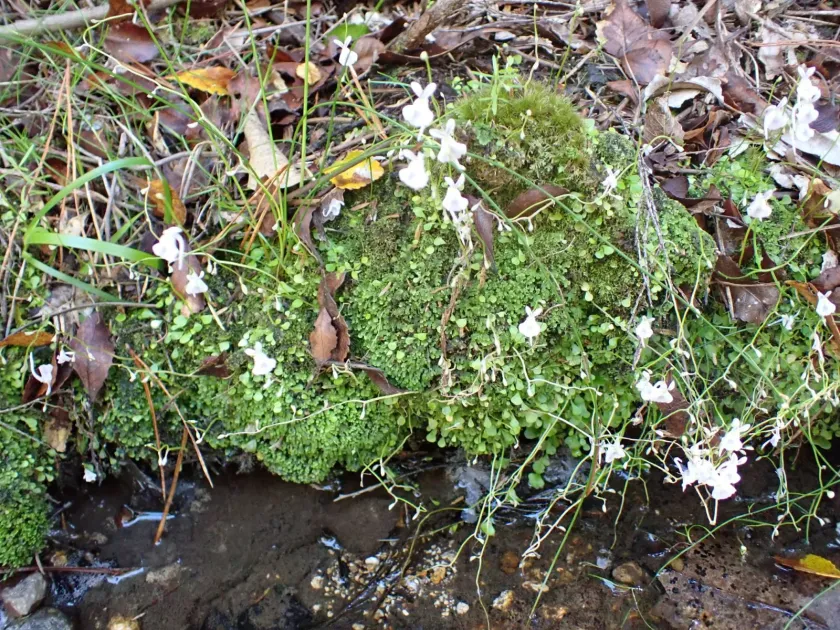
Utricularia sandersonii is a species of terrestrial carnivorous plant belonging to the family Lentibulariaceae, native to South Africa, specifically known for growing on damp rock faces.
The plant is prized for its unique, rabbit-ear-shaped flowers and its ability to form dense green mats that cover the surface of the substrate quite rapidly.
To cultivate this species successfully, it is essential to use a nutrient-poor medium such as a mixture of peat moss and perlite to maintain the necessary acidity level.
Watering should be performed exclusively with distilled, reverse osmosis, or rainwater to prevent mineral accumulation, which is toxic to the roots and bladders of this plant.
The plant thrives in high-humidity environments with moderate temperatures and bright, indirect light, making it an excellent choice for a terrarium or a dedicated indoor growing area.
Main diseases and pests
The most significant threat to Utricularia sandersonii is root rot, which typically stems from poor drainage or the use of stagnant, low-oxygen substrate environments.
Mineral buildup caused by using hard tap water can permanently damage the plant's delicate bladder mechanisms, effectively preventing it from feeding and weakening the specimen.
Common indoor pests such as mealybugs can occasionally infest the plant, hiding under the small leaves and damaging the overall structure of the colony.
Managing the light intensity is critical, as excessive heat combined with poor ventilation can cause the plant to dehydrate despite the high moisture levels provided.
Regular observation of the substrate surface and the health of the leaves ensures that any emerging issues are addressed before they compromise the entire plant clump.