
Utricularia reticulata
Utricularia reticulata
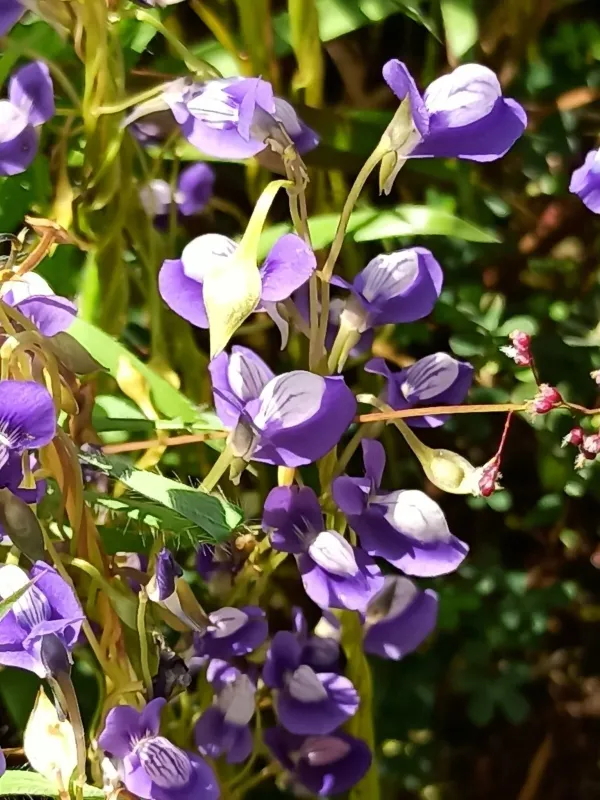
Description
Growing requirements
Utricularia reticulata is a fascinating species belonging to the Lentibulariaceae family. This carnivorous plant is primarily native to tropical regions of Asia, where it thrives in seasonally wet environments.
The plant is well-known for its specialized traps located on its stems, which allow it to supplement its nutrient intake by consuming small aquatic microorganisms. This adaptation is crucial for surviving in nutrient-poor soils.
Climatic requirements involve high ambient temperatures ranging from 22 to 30 degrees Celsius. Consistent warmth is essential for the healthy growth and frequent flowering of this species throughout the year.
Regarding soil and water, the medium must be acidic and extremely low in minerals. Using standard garden soil or fertilizers is detrimental to the plant's health, often leading to rapid decline.
Water quality is a top priority for successful cultivation. The use of rainwater, distilled water, or reverse osmosis water is highly recommended to maintain the low electrical conductivity required by the plant.
Main diseases and pests
Pests such as aphids and mealybugs represent a significant threat to the vegetative parts of the plant. Since the plant captures insects for food, applying systemic insecticides is risky and should be avoided.
Fungal pathogens can colonize the plant if air circulation is poor or if the substrate becomes stagnant for prolonged periods. Maintaining adequate airflow is a preventive measure against such infections.
Waterborne algae blooms present a major competitive threat. These organisms can outcompete the bladderwort for light and space, causing the plant to starve and eventually wither away.
Improper fertilization remains the most common human-induced threat. Adding nutrients to the growing medium will damage the delicate root system, as the plant is not adapted to nutrient-rich environments.
To ensure a healthy growth cycle, regular monitoring for signs of stress or decay is necessary. Prompt removal of dead tissues and maintaining optimal water purity are key elements of effective crop management.