
Purple bladderwort
Utricularia purpurea
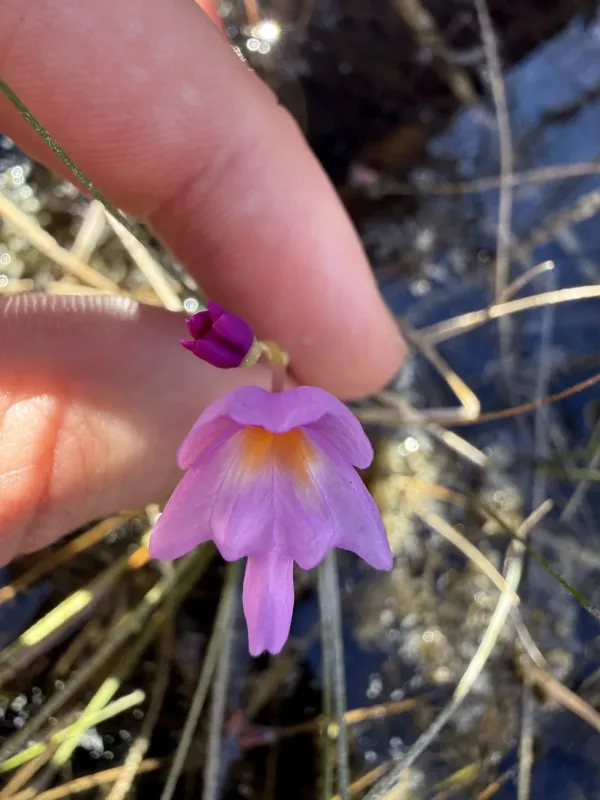
Description
Growing requirements
The Purple bladderwort (Utricularia purpurea) is a perennial aquatic carnivorous plant belonging to the Lentibulariaceae family. It is a highly specialized species adapted to thrive in nutrient-poor acidic waters, such as deep ponds and freshwater marshes found in North America.
This plant exhibits a complex structural organization, characterized by submerged stems that bear specialized bladder-like traps. These traps serve as the primary source of nutrients, allowing the plant to capture small aquatic micro-fauna to supplement its nitrogen and phosphorus intake.
The environmental requirements for Utricularia purpurea include consistently acidic water conditions and high light exposure. It is typically found in habitats where the substrate offers very little mineral enrichment, making the plant's predatory strategy essential for survival.
Cultivation of this species requires meticulous management of water chemistry and light levels. Unlike terrestrial crops, it does not rely on soil fertilization, but rather on the maintenance of a stable aquatic environment that supports its micro-predatory activities.
In terms of ecological utility, this species is valuable for water quality assessment and research into the adaptation mechanisms of carnivorous plants within aquatic ecosystems, often used by specialists in botanical conservation.
Main diseases and pests
The primary threat to the stability of Purple bladderwort populations is the process of cultural eutrophication. Increased nutrient load from agricultural runoff promotes the growth of opportunistic algae that shade out the plant.
Pollution from herbicides and heavy metals poses a significant toxicological risk, as the plant absorbs nutrients directly through its foliage, making it highly susceptible to chemical contamination in its habitat.
Various aquatic invertebrates, including certain types of snails and insect larvae, can graze upon the plant tissue, damaging both the foliage and the functional integrity of the predatory bladders.
Invasive plant species can outcompete the bladderwort for space and light, creating a significant barrier to its proliferation in historically occupied water bodies.
Hydrological changes, such as the drainage of wetlands or the drying out of ponds due to climate change, present a permanent threat to the survival of this species, as it requires a permanent submerged habitat to complete its life cycle.