
Utricularia odorata
Utricularia odorata
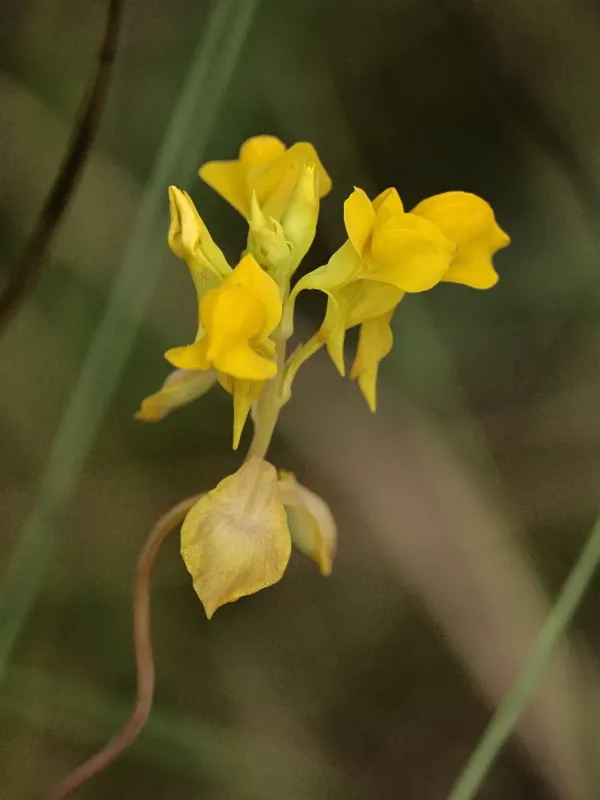
Description
Growing requirements
Utricularia odorata is a fascinating species belonging to the Lentibulariaceae family. Known primarily as an aquatic carnivorous plant, it has evolved complex physiological mechanisms to thrive in nutrient-poor environments.
This species is native to tropical and subtropical regions of Asia. It commonly inhabits shallow wetlands, seasonal water bodies, and marshy habitats, where it plays a unique role in local aquatic ecosystems by capturing small organisms.
Botanically, it is distinguished by its specialized bladder-like traps. These structures allow the plant to digest microorganisms to obtain essential nitrogen, compensating for the lack of nutrients in the substrate or water column.
Successful cultivation requires strict adherence to environmental parameters. The plant needs soft, clean water with a pH range that mirrors its natural tropical habitat, along with consistent temperatures and sufficient natural light.
While not a traditional agricultural crop, it remains of great interest to botanical researchers and enthusiasts. Its study provides insights into plant evolution, adaptation, and the delicate balance of wetland ecology.
Main diseases and pests
Environmental disruption stands as the primary threat to the stability of Utricularia odorata populations. Specifically, the drainage of natural wetlands and changes to local hydrology directly impact its ability to grow and reproduce.
Water quality degradation is another significant danger. Runoff containing agricultural chemicals or excessive fertilizers creates eutrophic conditions, leading to algal blooms that outcompete the plant for sunlight and space.
Disease outbreaks, often manifesting as bacterial or fungal infections, can occur if the water environment becomes stagnant and organic matter accumulates excessively. Maintaining water circulation is crucial for prevention.
Invasive species may also present a threat by altering the water chemistry or physically overcrowding the habitat. Integrated management practices emphasize the preservation of pristine conditions rather than curative chemical treatments.
Pests, particularly certain species of aquatic insects and snails, can graze on the plant. Protecting the balance of the ecosystem is the most effective way to manage these threats and ensure the long-term survival of the species.