
Utricularia minutissima
Utricularia minutissima
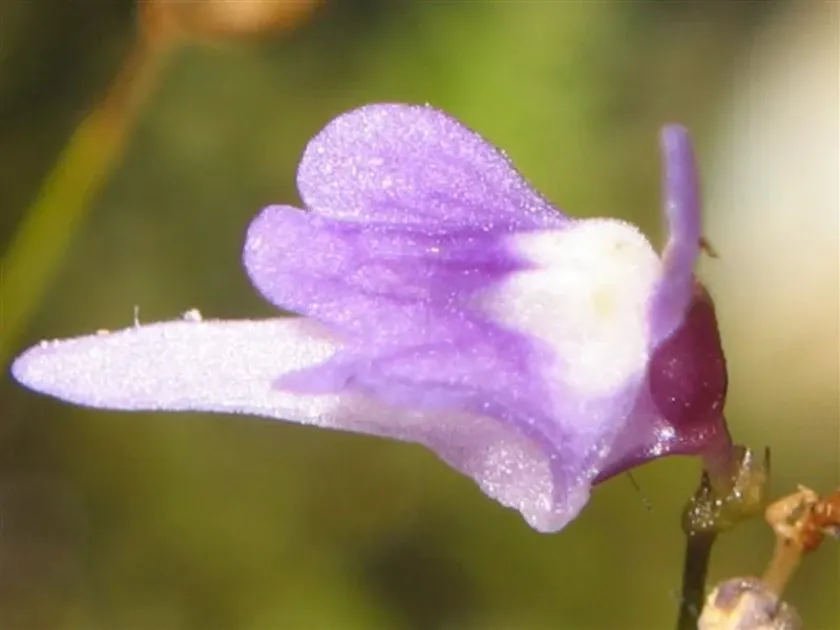
Description
Sowing dates
Utricularia minutissima is typically propagated under controlled greenhouse conditions. The sowing process involves scattering tiny seeds over the surface of a prepared substrate, such as a mix of peat and sand, without covering them with soil.
Light is a critical factor for successful germination; thus, keeping the seeds exposed to bright, indirect light is essential. The containers should be covered to maintain high humidity levels, ideally keeping temperatures between 22 and 26 degrees Celsius.
Sterility is paramount during the germination stage, as competition from mosses or algae can easily outcompete the slow-growing seedlings. Using distilled water or reverse osmosis water is mandatory to avoid mineral contamination.
The transition from a seed to a viable plantlet can take several weeks to months, requiring immense patience from the grower. Consistent moisture levels must be maintained throughout this delicate developmental period.
Once the seedlings have developed multiple traps and foliage, they can be acclimated to slightly lower humidity. Transplanting should be handled with extreme care to avoid damaging the fragile, hair-like root systems characteristic of this species.
Growing requirements
Utricularia minutissima belongs to the Lentibulariaceae family and is recognized as a miniature carnivorous plant. Native to tropical and subtropical regions of Asia and Australia, it thrives in sandy, water-logged soils that are nutrient-deficient.
The plant functions by capturing tiny microorganisms in its specialized underwater bladders. This evolutionary adaptation allows it to survive in habitats where nitrogen and phosphorus are scarce, essentially creating its own fertility cycle.
The ideal growing medium is a mixture of acidic peat and silica sand, ensuring excellent drainage while maintaining perpetual moisture. The plant prefers the tray method of watering, where the pot stands in a shallow reservoir of distilled water.
High levels of light are necessary to encourage dense growth and vibrant coloration of the flowers. However, excessive direct sunlight in a greenhouse setup can cause the container to heat up, which may damage the sensitive root zone.
Temperature management should mimic its natural tropical environment, staying consistently warm. Avoiding drastic fluctuations is key to keeping the plant in a vigorous state throughout the entire year.
Main diseases and pests
The primary threats to this species in cultivation are pathogenic fungi, which often flourish in the perpetually damp conditions required by the plant. Providing adequate airflow helps mitigate the risk of rot and fungal outbreaks.
Pests such as aphids or spider mites can pose a significant danger to the delicate traps and foliage. Chemical treatments must be avoided or used with extreme caution, as the plant is highly sensitive to standard agricultural pesticides.
Algae proliferation is a constant challenge, as it can quickly overtake the surface of the soil and suffocate the small plantlets. Manual removal of algae is often the safest and most effective way to protect the bladderwort.
Water quality issues, specifically mineral buildup, represent a major threat to the health of the plant. If the water source contains too many dissolved solids, the plant will show signs of necrosis, particularly in its trapping organs.
Low ambient humidity can lead to the rapid desiccation of leaves, especially when the plant is not kept in a sufficiently enclosed environment. Monitoring the microclimate daily is essential for successful long-term management.