
Lesser bladderwort
Utricularia minor
Description
Growing requirements
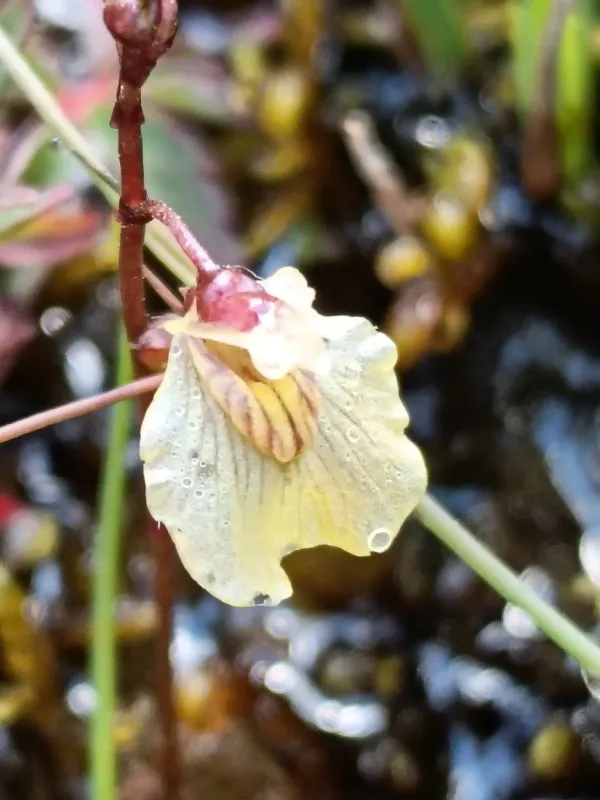
Lesser bladderwort (Utricularia minor) is a fascinating species of carnivorous plant within the Lentibulariaceae family. Unlike land-based crops, this aquatic plant thrives in nutrient-poor environments, where it compensates for the lack of soil minerals by capturing small aquatic organisms.
The plant has a wide distribution range spanning temperate regions across the Northern Hemisphere. It typically inhabits stagnant or slow-moving water bodies, including fens, bogs, and shallow pools where the water chemistry is conducive to its specialized carnivorous lifestyle.
In terms of habitat requirements, Utricularia minor demands clear, non-eutrophic water. High levels of nutrients, particularly nitrogen and phosphorus often found in agricultural runoff, are detrimental to the species, favoring the overgrowth of competitive algae.
Botanically, it consists of delicate, submerged foliage equipped with numerous tiny bladders. These bladders function as sophisticated traps that create a vacuum, allowing the plant to absorb small invertebrates. This mechanism is an adaptation to nutrient-starved aquatic environments.
Agro-ecological management of this plant is minimal, as it is primarily a wild species. However, it plays a vital role in maintaining the biological diversity of wetland ecosystems by helping to regulate the population of small aquatic insects and larvae.
Main diseases and pests
Habitat loss represents the most significant threat to the survival of the lesser bladderwort. The drainage of wetlands for agricultural expansion effectively destroys the specific conditions required for the plant's survival and growth.
Eutrophication is a major limiting factor. Agricultural fertilizers leached into the water column trigger algal blooms, which shade out the bladderwort, preventing necessary photosynthesis and eventually causing the plant to perish.
The introduction of invasive aquatic plants can result in the displacement of native Utricularia species. These invaders often grow faster and deplete available space and light, preventing the smaller bladderwort from flourishing.
Chemical pollutants, including pesticides and heavy metals derived from field runoff, can cause physiological stress to the plant, disrupting its ability to capture prey and reproduce effectively.
Extreme climate shifts and rising water temperatures can lead to the premature drying of ephemeral pools, which prevents the completion of the plant's life cycle and restricts its population spread across natural wetlands.