
Utricularia livida
Utricularia livida
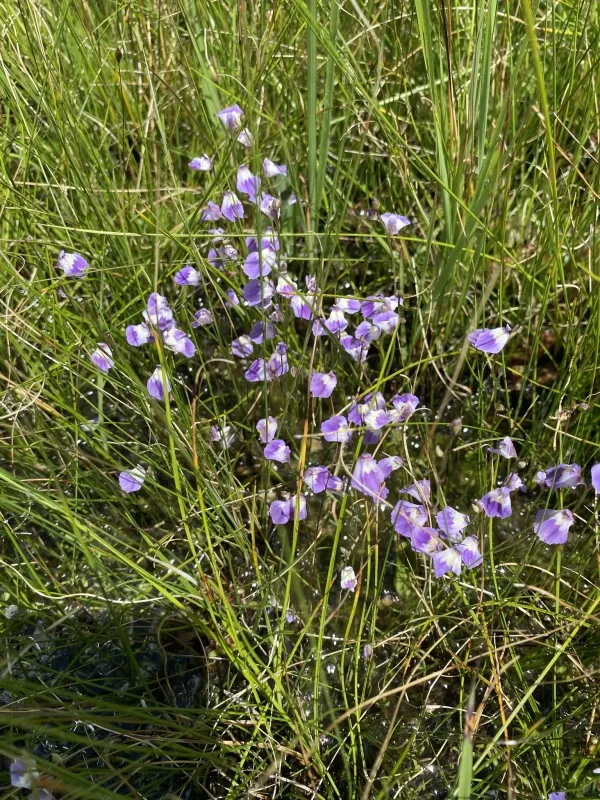
Description
Sowing dates
Sowing Utricularia livida seeds is best performed during early spring to take advantage of the natural increase in day length and light intensity. This timing ensures that seedlings have sufficient time to develop a robust root system before the onset of winter dormancy.
Seeds are extremely small and should be sown on the surface of a pre-moistened, nutrient-poor substrate. Avoid covering the seeds with soil, as they require direct light to trigger germination processes effectively.
The ideal germination medium is a blend of sphagnum peat moss and perlite. The container should be covered with a transparent lid or plastic wrap to maintain high humidity, which is critical for the survival of the fragile germinating embryos.
Optimal temperatures for germination range between 22 and 26 degrees Celsius. Under these conditions, germination usually occurs within three to four weeks, provided the moisture levels remain consistent throughout the entire period.
Once the seedlings are large enough to handle, they can be carefully moved to larger pots. Acclimatization to lower humidity levels should be done gradually over several weeks to prevent transplant shock in the young plants.
Growing requirements
Utricularia livida is a remarkable carnivorous plant from the Lentibulariaceae family, native to tropical and subtropical regions in Africa. It is prized for its attractive purple or white flowers and its unique method of nutrient acquisition.
The plant requires bright, filtered light to flourish. Direct, intense sunlight can cause the delicate leaves to scorch, so placing the plant near a window with sheer curtains or under specialized LED grow lights is recommended.
The substrate must be completely devoid of nutrients, as these plants have adapted to thrive in nutrient-poor, boggy soils. A mixture of peat and perlite or coarse silica sand is typically used to ensure proper drainage and acidity.
Water quality is of paramount importance for this species. Only distilled, rainwater, or reverse osmosis water should be used, as tap water contains minerals that can quickly accumulate and become toxic to the plant's sensitive root system.
Utricularia livida prefers constant moisture and should always be kept in a tray of shallow water. This creates an environment mimicking its natural wetland habitat, allowing the plant to maintain the high turgor pressure needed for its trapping bladders.
Main diseases and pests
Fungal pathogens such as mold are the most common threats, especially in poorly ventilated environments. Ensuring adequate air circulation around the pots is essential to prevent these organisms from attacking the stems and leaves.
Pests like aphids or mealybugs can occasionally infest the plant, particularly the flower stalks. Due to the plant's extreme sensitivity to chemicals, manual removal is the safest method for pest management if an infestation occurs.
Dehydration is a frequent cause of death for this species, as it lacks significant water-storage organs. If the soil surface dries out completely, the plant's trapping mechanisms fail and the entire colony may suffer irreversible decline.
Nutrient burn resulting from contaminated water or improper fertilizer use is highly damaging. Even trace amounts of garden fertilizers are toxic, causing the plant to turn black and die rapidly within a few days of exposure.
Algae growth on the surface of the growing medium can compete with young seedlings for light and space. Regularly topping the substrate with a thin layer of fresh sphagnum moss can help control algae and maintain a healthy, aesthetic environment for the plant.