
Utricularia inflexa
Utricularia inflexa
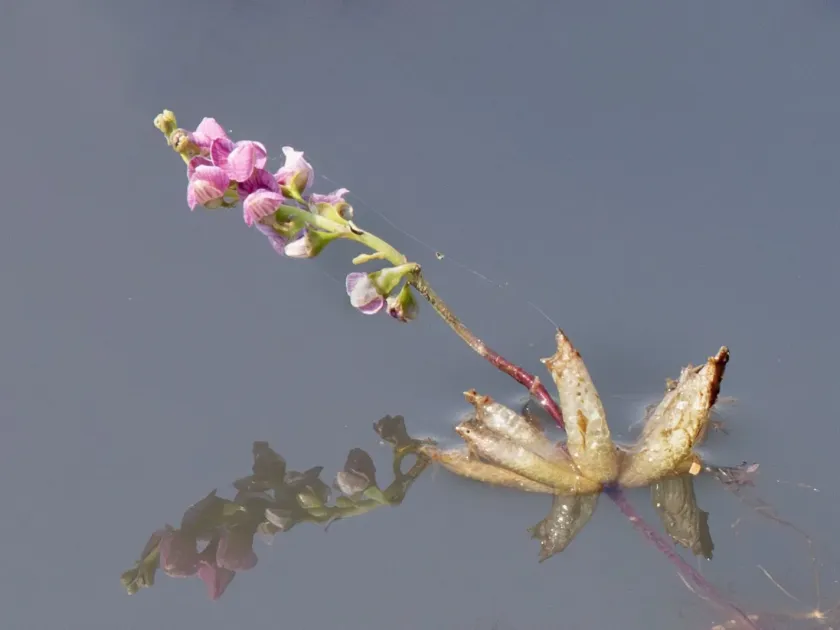
Description
Growing requirements
Utricularia inflexa is a fascinating member of the Lentibulariaceae family, known for its carnivorous nature and aquatic habitat. Native primarily to tropical Africa and parts of India, this plant thrives in shallow, stagnant or slow-moving freshwater systems.
Unlike terrestrial crops, this plant lacks true roots. Instead, it utilizes finely divided leaves to absorb nutrients from the water and its specialized bladder traps to capture tiny prey. This adaptation allows it to colonize nutrient-poor water bodies where other species fail.
For optimal development, Utricularia inflexa requires high sunlight exposure and stable water temperatures, typically ranging from 20 to 30 degrees Celsius. It is highly sensitive to water quality, particularly the presence of pollutants and heavy metals.
The plant demonstrates a unique evolutionary strategy by complementing its photosynthetic energy with nutrients derived from captured aquatic invertebrates. This synergy is crucial during periods of low environmental nutrient availability in its tropical range.
Cultivating this species requires strict control over the aquatic environment. It necessitates clean water with balanced mineral content and a gentle water flow to prevent the stagnation that often encourages harmful algal blooms.
Main diseases and pests
Eutrophication is the most significant threat to the survival of Utricularia inflexa. Excessive nutrient runoff, often originating from adjacent agricultural fields, promotes the growth of competitive algae that shade the plant and reduce water quality.
Invasive aquatic species often outcompete the bladderwort for space and light. As these aggressive plants dominate the water surface, they inhibit the ability of Utricularia inflexa to successfully deploy its bladder traps and capture necessary nutrients.
Pathogenic fungi present in stagnant water can cause rapid decay, particularly during hot summer months. These infections represent a major health risk, potentially wiping out established colonies if the environmental balance is compromised.
Physical disturbances, such as the accumulation of debris or debris from agricultural activities, can physically damage the delicate structure of the plants. This prevents the bladder traps from functioning correctly, leading to significant nutritional deficits.
Drastic drops in water levels due to seasonal changes or irrigation demands can prove fatal. As an obligate aquatic species, Utricularia inflexa lacks the physiological mechanisms to survive in terrestrial conditions, making water level stability essential for its survival.