
Florida bladderwort
Utricularia floridana
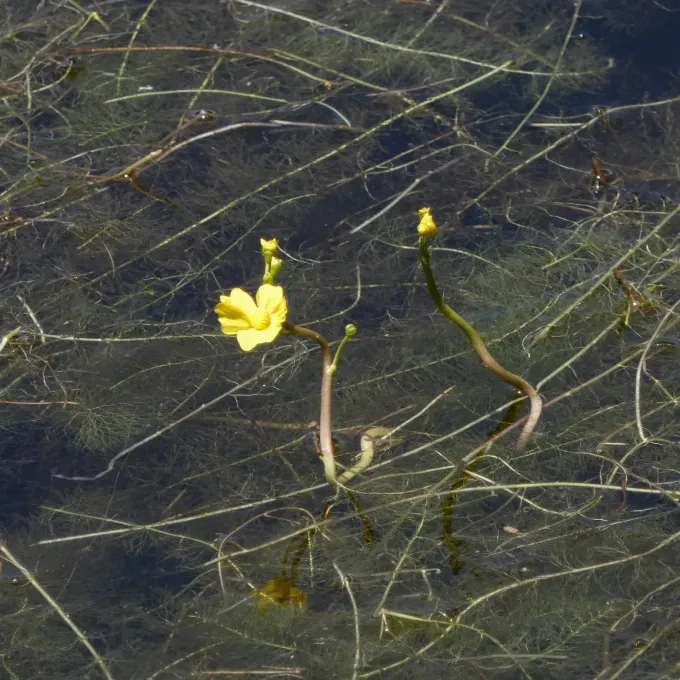
Description
Growing requirements
Florida bladderwort (Utricularia floridana) is a specialized carnivorous plant belonging to the Lentibulariaceae family. It is primarily found in the wetlands and marshy areas of Florida, USA.
This aquatic species thrives in acidic, nutrient-poor waters where it captures small microorganisms using its specialized suction-trap bladders. Its unique biological structure allows it to survive in environments hostile to many other plants.
For successful cultivation, light is a critical factor. The plant requires bright, indirect light to maintain its photosynthetic activity and to support the energy-intensive process of trap formation.
Water quality must be strictly monitored; low mineralization and soft water are essential. Distilled or reverse osmosis water is often recommended to prevent mineral accumulation on the delicate stems.
Temperature stability is equally important. Maintaining a range between 20°C and 27°C mimics its native subtropical habitat and ensures steady growth throughout the season.
Main diseases and pests
Pollution from agricultural runoff, which increases nutrient levels, is a major threat that can lead to excessive algal blooms and suffocation of the plant.
Invasive floating weeds can outcompete the bladderwort for light and space, necessitating regular maintenance of the growing environment.
High pH levels in the water are detrimental to the health of the plant, as it is physiologically adapted to highly acidic conditions.
Herbivory by aquatic invertebrates, such as certain species of snails or larvae, can significantly damage the fragile bladder traps and vegetative structure.
Fungal infections in stagnant, poorly circulated water can cause tissue rot, especially if debris is allowed to accumulate around the plant clusters.