
Utricularia firmula
Utricularia firmula
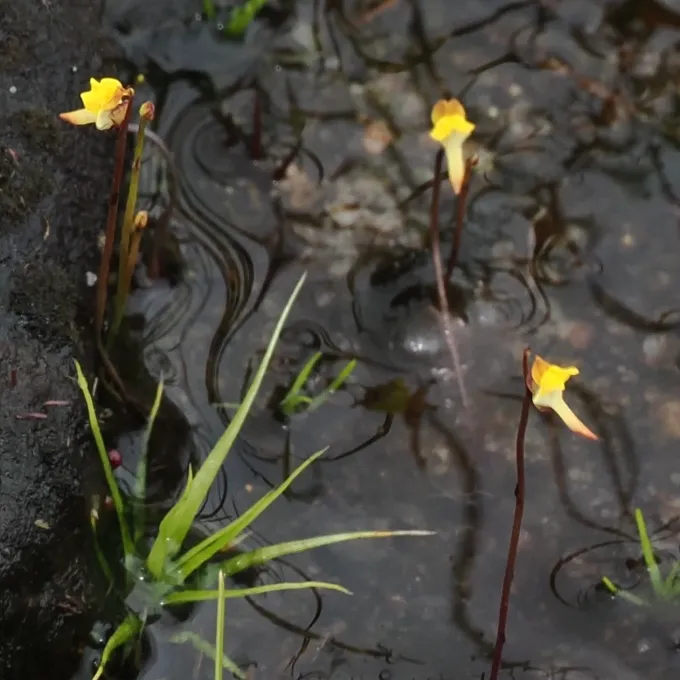
Description
Growing requirements
Utricularia firmula is a unique carnivorous plant belonging to the Lentibulariaceae family. Known for its small stature, this species has evolved to thrive in nutrient-poor environments, showcasing remarkable biological adaptations for survival.
Originating from tropical Africa, this plant is primarily found in ephemeral wetlands, shallow sandy substrates, and periodically inundated rock outcrops. Its native habitat is characterized by highly acidic conditions and a lack of traditional soil fertility.
The core botanical feature of this species is its complex network of minute traps located underground or submerged. These specialized bladders allow the plant to capture microscopic aquatic life, effectively supplementing its nitrogen and phosphorus requirements.
Cultivation requires specific environmental conditions that mirror its natural tropical habitat. Consistent moisture levels, high humidity, and a substrate free of mineral salts are fundamental for the successful development of the plant.
Water quality is paramount; only distilled, deionized, or reverse osmosis water should be utilized. The plant's root system is extremely sensitive to fertilizers, which can induce rapid decay or encourage competitive algae growth.
Main diseases and pests
The primary threat to Utricularia firmula in the wild is the destruction of its niche habitats. Land development and hydrological modifications lead to the loss of the specific moisture regimes required for the plant's life cycle.
In a controlled environment, the most frequent threat is the proliferation of pathogenic fungi. Poor aeration, combined with stagnant water, can cause rot that rapidly affects the delicate underground structures of the plant.
Algae and moss encroachment represent significant botanical threats. Due to the small size of the species, even a slight increase in moss growth can choke off the plant, outcompeting it for light and spatial resources.
Common greenhouse pests, such as aphids or spider mites, can damage the foliage. However, care must be taken when selecting treatments, as many pesticides are toxic to the plant's sensitive carnivorous mechanisms.
Environmental stressors such as temperature fluctuations and chemical contamination of the water supply pose long-term risks. Protecting the water source from pollutants is essential for maintaining the health of the specimens.