
Utricularia dichotoma
Utricularia dichotoma
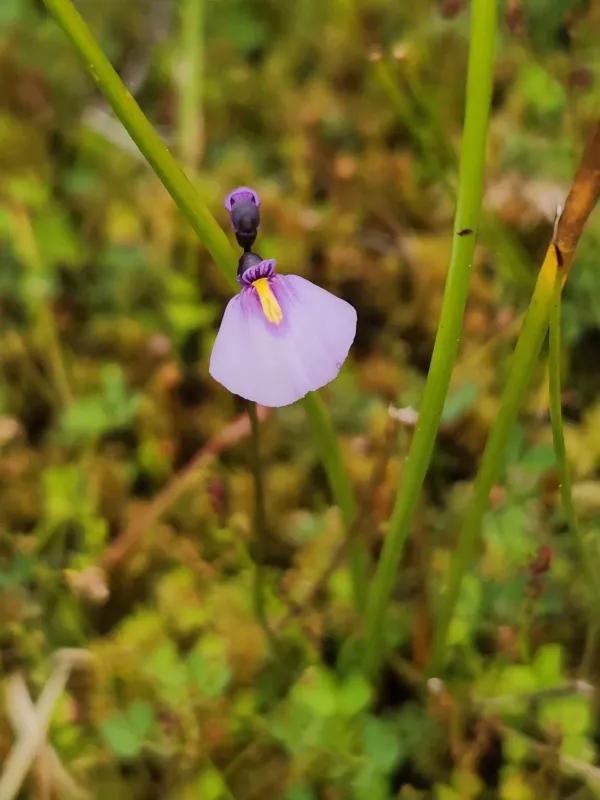
Description
Growing requirements
Utricularia dichotoma, commonly known as the purple bladderwort, is a perennial carnivorous plant belonging to the family Lentibulariaceae. Native to Australia and surrounding regions, it is uniquely adapted to thrive in nutrient-poor wetland environments.
The plant requires acidic, waterlogged soils or standing water to maintain its metabolic functions. Its morphological structure includes underground stolons and specialized bladders used for capturing tiny aquatic invertebrates, which supplement its nutritional needs.
Regarding environmental conditions, this species prefers bright but indirect light. Exposure to intense, direct sunlight can damage the sensitive leaves and bladders, while total shade will inhibit flowering and overall growth vitality.
Water quality is paramount; irrigation must be conducted using distilled, rain, or reverse osmosis water. The presence of minerals and salts commonly found in tap water will quickly cause the decline of this delicate plant species.
In terms of agricultural and horticultural use, Utricularia dichotoma is primarily grown by hobbyists and botanical institutions. Its complex mechanism of prey capture and vibrant flowering spikes make it a prized addition to specialized carnivorous plant collections.
Main diseases and pests
Fungal infections remain the primary threat to Utricularia dichotoma when kept in stagnant conditions with poor ventilation. Root rot often occurs if the substrate remains too dense or poorly aerated.
Pests such as aphids and spider mites can infest the foliage, particularly when the surrounding air humidity is insufficient. Maintaining a stable, humid microclimate serves as an effective preventative measure.
In aquatic setups, algae blooms pose a significant risk, as they compete for light and space. Consistent water maintenance and light management are necessary to ensure the plant's health.
Nutritional stress or leaf chlorosis frequently results from improper water chemistry. Ensuring the growth medium remains highly acidic and low in dissolved solids is essential for preventing physiological damage.
Physical damage during repotting or handling can lead to bacterial rot if the wounds are not allowed to callus in a sterile environment. Care must be taken to minimize handling of the delicate bladder network.