
Horned bladderwort
Utricularia cornuta
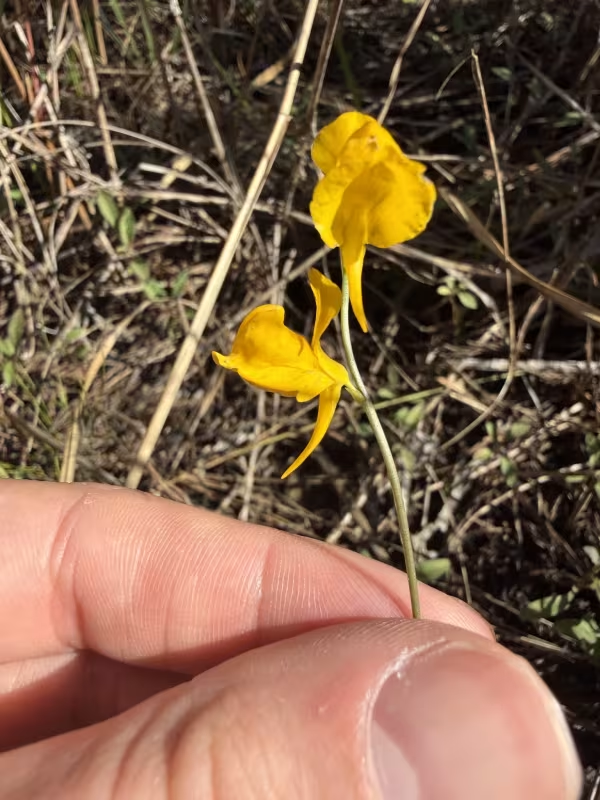
Description
Growing requirements
Horned bladderwort (Utricularia cornuta) is a fascinating carnivorous plant belonging to the Lentibulariaceae family. While not a commercial field crop, it is a specialized plant species grown by enthusiasts and researchers interested in bog ecosystems.
Native to North America, this species inhabits acidic, waterlogged substrates such as peat bogs and wet sandy shores. Its botanical structure includes fine, hair-like leaves and highly specialized underground bladders used for capturing microscopic prey.
The cultivation requirements are strictly related to its natural habitat. It thrives in a medium of long-fibered sphagnum moss or a mixture of peat and perlite, ensuring the roots remain consistently wet at all times.
Light intensity is the most critical factor for the vigor of the plant. High-intensity lighting, equivalent to full sunlight, is required to trigger the production of its signature yellow, fragrant, horn-shaped flowers.
Water quality must be managed carefully. Only distilled, reverse osmosis, or rain water should be used. The plant is extremely sensitive to total dissolved solids (TDS), which can cause root burning and systemic failure.
Main diseases and pests
Fungal pathogens and mold represent the primary threats in stagnant environments. Proper air circulation within the growing enclosure is essential to maintain plant health and prevent decay of the delicate vegetative structures.
Pests like aphids can occasionally infest the flower stalks. Mechanical removal is the preferred method of control, as these plants are highly sensitive to systemic insecticides that are typically used in general agriculture.
Algal blooms on the surface of the soil can compete with the bladderwort for space and light. Regular cleaning of the substrate surface and maintenance of appropriate water levels help mitigate this problem.
Improper temperature management, specifically exposing the plant to extreme heat or freezing conditions for too long, can damage the foliage and disrupt the trapping mechanism of the underground bladders.
Nutrient toxicity is a major risk factor if fertilizers are applied. Because the plant has evolved to survive in nutrient-poor environments, the addition of external fertilizers will quickly lead to the death of the specimen.