
Dianella ensifolia
Dianella ensifolia (L.) DC.
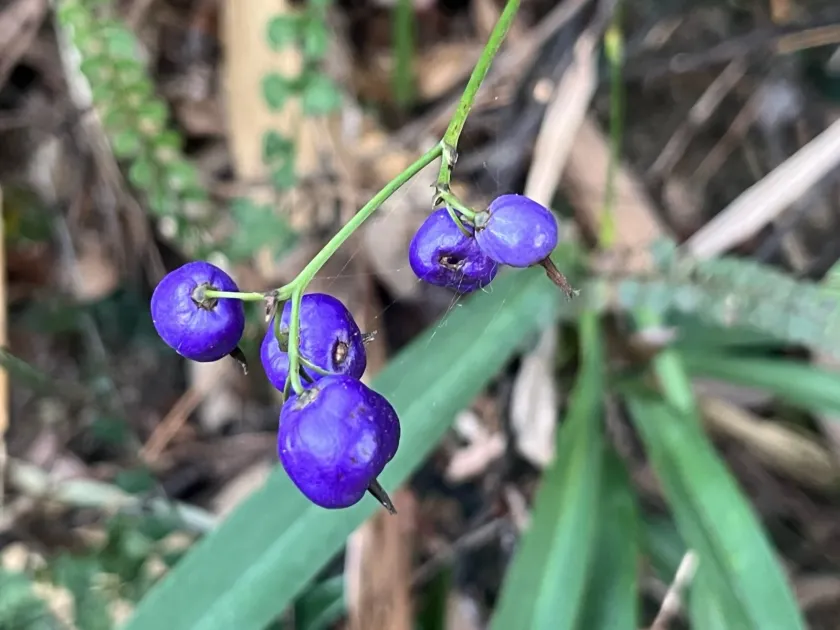
Description
Growing requirements
Dianella ensifolia, a member of the Asphodelaceae (formerly Xanthorrhoeaceae) family, is a perennial evergreen herb native to the tropical forests of Asia and the Pacific Islands. It is widely recognized for its grass-like foliage and small, berry-like fruits.
The plant thrives in well-drained, fertile soil rich in organic matter. While it is adaptable to various soil textures, it performs best when the pH level is slightly acidic to neutral, which facilitates optimal nutrient uptake for healthy growth.
Climate requirements for this species focus on consistent warmth, ideally between 20°C and 28°C. It is highly intolerant of frost, meaning that in temperate climates, it must be cultivated in pots and moved indoors during the cold season to survive.
Regarding light, Dianella ensifolia prefers bright, filtered sunlight or partial shade. Exposure to intense, direct afternoon sun can lead to leaf tip burn and yellowing, so selecting an appropriate site is crucial for maintaining foliage aesthetic quality.
Moisture management is a key aspect of its care. The soil should remain consistently moist throughout the growing season, but never waterlogged. Efficient drainage systems are mandatory to prevent root rot, which is the most common cause of failure in container cultivation.
Main diseases and pests
The primary threats to this plant involve pathogenic fungi such as Phytophthora and Pythium, which target the root system in conditions of poor aeration and high soil moisture. These diseases often manifest as wilting and browning of leaf tips.
Pests such as spider mites and scale insects are known to infest the plant, particularly in indoor environments where low humidity creates favorable conditions for their proliferation. These pests extract sap, weakening the overall plant vigor.
Effective pest control includes monitoring the underside of leaves for signs of infestation and using horticultural soaps or systemic insecticides if necessary. Maintaining higher ambient humidity levels can help deter spider mite populations.
Cultural prevention techniques are paramount. This includes proper spacing to ensure adequate airflow between plants, which reduces the buildup of humidity on leaf surfaces and discourages the development of fungal pathogens.
Consistent maintenance schedules, including timely repotting to provide fresh substrate and periodic pruning of damaged or dead foliage, help ensure that the plant remains healthy, vibrant, and resistant to environmental stressors.