
Dianella tasmanica
Dianella tasmanica Hook.
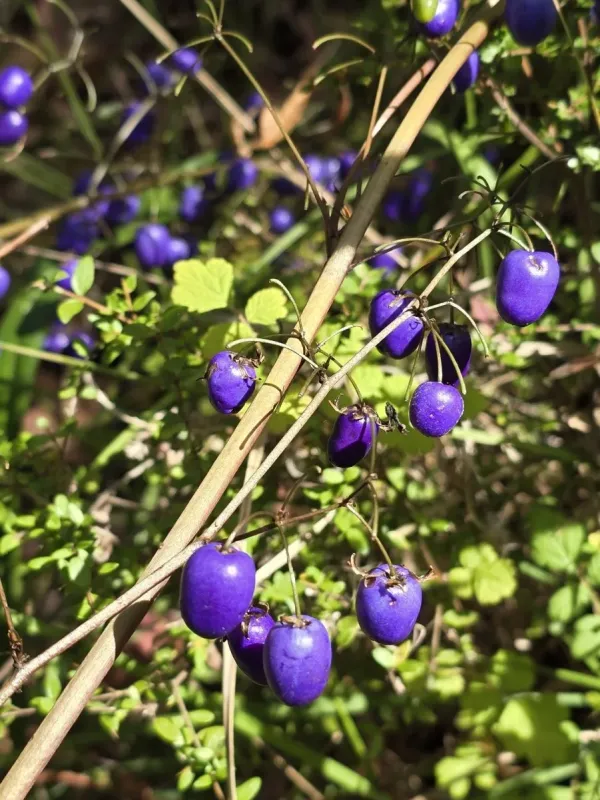
Description
Sowing dates
Propagating Dianella tasmanica is most effectively achieved through rhizome division during the spring or early autumn. This method ensures that the new plants inherit the strong root characteristics of the parent clump.
Seed propagation requires a cold stratification period of one to two months to break dormancy. Sowing should be done in a well-draining, lightweight medium, maintaining consistent moisture levels until germination occurs.
Proper soil preparation is crucial for initial growth; a mixture of high-quality potting compost, peat, and sand provides the ideal structural base for root expansion. Ensure the pH level remains slightly acidic to neutral.
When transplanting, maintain a spacing of at least 45 centimeters between specimens. This spacing is essential for air circulation, which helps prevent foliage diseases and promotes even, dense growth patterns.
Immediate aftercare involves a thorough initial watering followed by a period of relative dryness to encourage deep rooting. Avoid saturating the soil, as young roots are susceptible to rot under anaerobic conditions.
Growing requirements
Dianella tasmanica, commonly known as the Tasman flax-lily, belongs to the Asphodelaceae family. It is a hardy, rhizomatous perennial native to the cool-temperate forests and mountain ranges of Tasmania and southeastern Australia.
The plant thrives in partial shade or dappled sunlight. While it can tolerate more exposure in cooler climates, it typically prefers protection from intense afternoon sun, which can cause leaf scorch and dehydration.
It is moderately frost-tolerant but prefers temperate conditions. In regions prone to severe winter temperatures, mulching around the base is recommended to protect the rhizomes from freezing damage.
Soil requirements focus on high organic content and excellent drainage. Adding organic matter, such as leaf mold or well-rotted compost, enhances nutrient availability and improves the plant's overall vigor.
Ongoing maintenance includes occasional feeding with a balanced, slow-release fertilizer during the active growing season. Regular, light pruning of damaged or dead leaf tips helps maintain the plant's tidy appearance.
Main diseases and pests
Root rot is the most significant threat to Dianella tasmanica, primarily caused by waterlogged soil conditions. Ensuring proper drainage is the most effective preventative measure against fungal pathogens attacking the root system.
In indoor environments or protected garden spots, spider mites can become an issue if the humidity is too low. Increasing atmospheric humidity and monitoring foliage regularly can mitigate these infestations.
Slugs and snails can cause cosmetic damage to the lush, strap-like leaves during the spring months. Applying horticultural baits or barriers is a standard procedure in areas where mollusk pressure is high.
Poor lighting conditions frequently lead to chlorosis and weak growth. If the plant loses its deep green coloration, assess the light levels and consider relocating the plant to a more suitable position.
- Leaf spot fungi developing during excessively rainy seasons.
- Stunting due to competition from aggressive weeds in the root zone.
- Nutrient deficiencies manifesting as yellowing leaf edges.