
Dianella longifolia
Dianella longifolia R. Br.
Description
Growing requirements
Dianella longifolia is a perennial herb belonging to the Asphodelaceae family, native to the diverse landscapes of Australia. It is widely recognized for its robust, sword-like foliage and adaptability to varying environmental conditions.
The plant thrives in well-drained, fertile soil, showing a preference for slightly acidic to neutral substrates. It is naturally found in forest understories and open grasslands, reflecting its ability to tolerate both light shade and full sun exposure.
In terms of climatic requirements, this species favors temperate regions. While established plants are somewhat drought-tolerant, they require consistent moisture during the early stages of development to build a strong root system.
Agronomic management involves regular maintenance of soil health through organic amendments and ensuring adequate aeration. For container-grown specimens, frequent fertilization during the growing season is necessary to support vigorous foliage production.
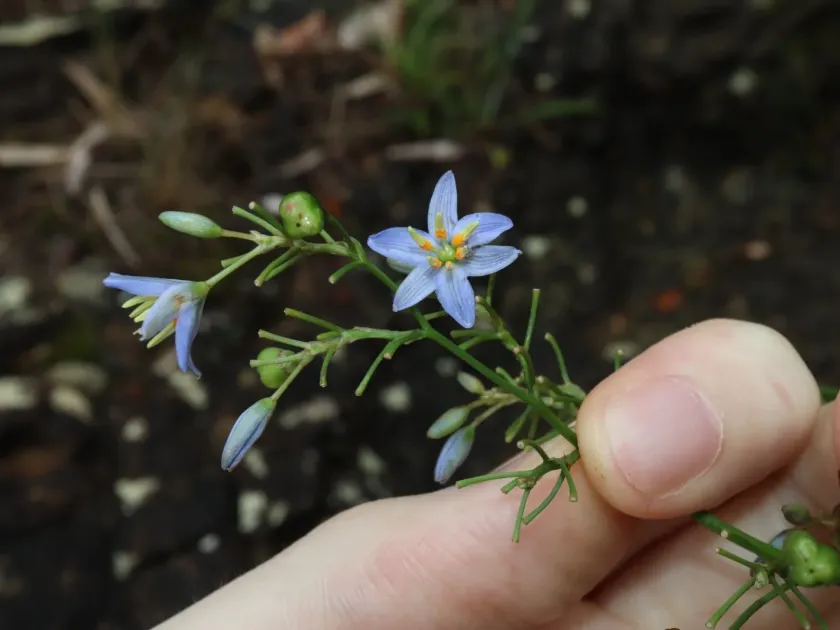
Due to its aesthetic appeal, particularly the deep blue berries that follow small star-shaped flowers, it serves as a valuable element in xeriscaping and sustainable landscape design projects.
Main diseases and pests
Root rot is the primary physiological threat to Dianella longifolia, typically triggered by waterlogged soils, which suffocate the roots and prevent efficient nutrient uptake.
Fungal infections, such as powdery mildew, may occur if air circulation is insufficient, necessitating the use of systemic fungicides and increased spacing between planting units.
Invertebrate pests, particularly snails and slugs, represent a constant threat to juvenile foliage, often requiring physical barriers or organic pest control methods during the growing season.
Aphid infestations on the flower stalks can be a seasonal nuisance, potentially weakening the plant's overall vitality if left unchecked by natural predators or localized treatments.
Effective management requires a proactive approach: prioritizing soil drainage and maintaining high standards of garden hygiene to reduce the presence of overwintering pest populations.