
Dianella congesta
Dianella congesta R. Br.
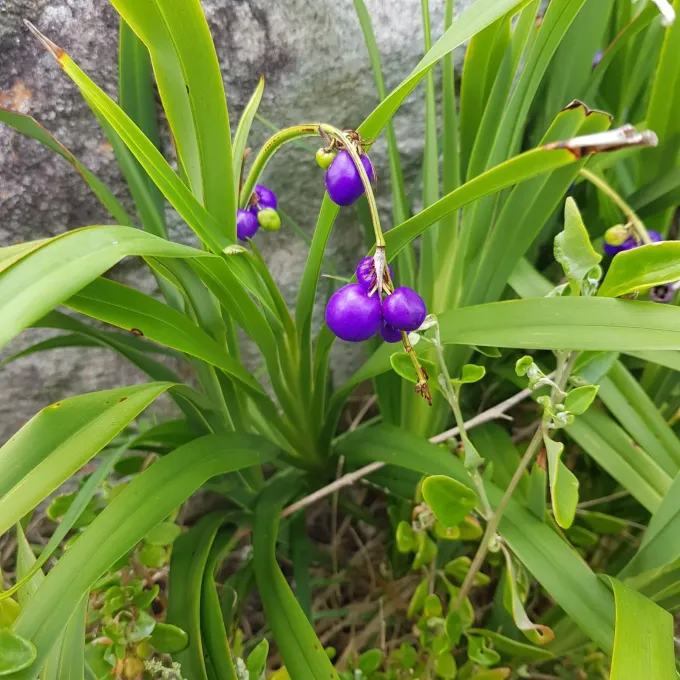
Description
Growing requirements
Dianella congesta is a perennial herbaceous plant belonging to the Asphodelaceae family. Native to the coastal regions of Australia, this species has evolved to thrive in sandy soils and withstand harsh, salty coastal winds, making it a robust choice for certain garden environments.
Botanically, it forms dense clumps of stiff, strap-like foliage. The compact nature of the plant is its hallmark, allowing it to maintain an orderly appearance throughout the growing season, which is highly valued by horticulturists and landscape designers alike.
The plant requires well-draining soil to perform at its best. While it is tolerant of various soil types, providing a substrate with low organic matter that mimics its natural sandy habitat is ideal for long-term vitality and preventing root-related issues.
Dianella congesta shows significant drought tolerance once established. It prefers full sun to partial shade; however, in extremely hot climates, some protection from the intense afternoon sun will help preserve the vibrant color of the foliage.
In landscaping, this species is frequently used for mass planting, border edging, and stabilizing soil on slopes. Its ability to colonize areas and maintain a uniform texture makes it a reliable asset for sustainable and low-maintenance garden designs.
Main diseases and pests
The most significant threat to Dianella congesta is root rot caused by poor soil drainage and waterlogging. Ensuring that the site is elevated or properly amended with grit is the best preventative measure against this common fatal issue.
Pests such as scale insects and mealybugs can occasionally infest the foliage, particularly in environments with stagnant air. These pests sap nutrients from the leaves, leading to stunted growth and discolored spots.
Slugs and snails are known to feed on the foliage of Dianella, especially during humid weather conditions. Protecting young plants with physical barriers is recommended to prevent excessive damage to the developing leaves.
Fungal leaf spots can occur when the plant is kept in conditions of high humidity without adequate airflow. Proper spacing during planting is essential to ensure that the foliage dries quickly after rainfall or irrigation.
Maintaining the health of the plant involves periodic removal of dead foliage, which reduces the habitat for potential pests and prevents the spread of fungal spores across the base of the clump.