
Blue Flax-lily
Dianella caerulea Sims
Description
Growing requirements
The Blue Flax-lily (Dianella caerulea) is a perennial herb belonging to the Asphodelaceae family. Native to the diverse landscapes of Australia, this species is widely utilized in horticulture due to its structural foliage and vibrant blue berries.
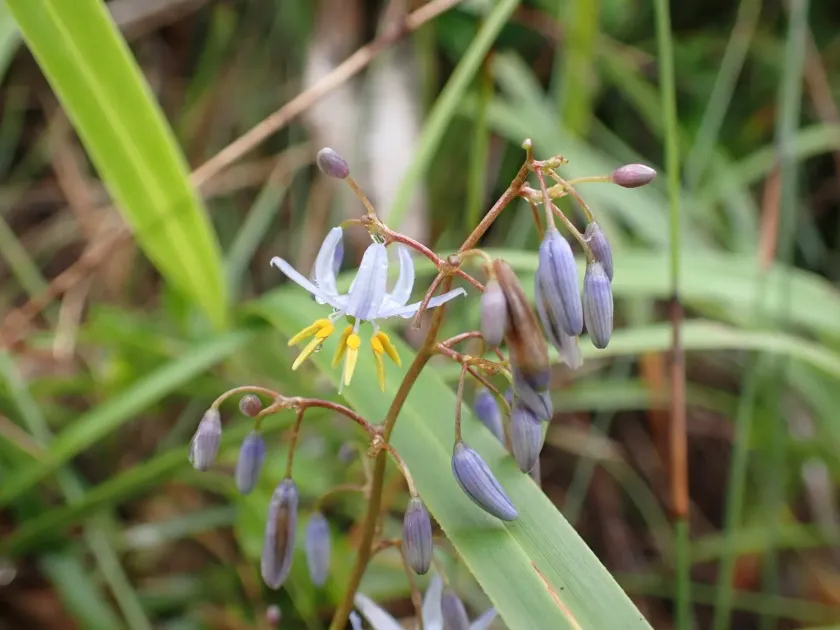
Botanically, it features strap-like leaves that grow in basal clumps. The plant produces delicate inflorescences followed by edible, deep blue berries that add significant ornamental value during the late summer and autumn seasons.
Regarding soil requirements, this species thrives in well-drained loamy or sandy soils. It demonstrates moderate tolerance to different pH levels but performs best in slightly acidic environments enriched with organic matter.
Climate adaptation is a critical factor; while Dianella caerulea prefers subtropical climates, it is somewhat frost-hardy once established. In temperate regions, it is recommended to provide winter mulch or grow the plant in containers for relocation.
Cultural practices include ensuring consistent moisture during the growing season while allowing the substrate to dry slightly between waterings. Fertilization is generally minimal, provided the soil contains sufficient organic nutrients.
Main diseases and pests
The primary threats to Dianella caerulea involve root rot pathogens such as Phytophthora, which thrive in waterlogged soil conditions. Proper drainage is the most effective management strategy to mitigate this risk.
Pests such as mealybugs and scale insects may infest the foliage, particularly in nursery settings or indoor environments. These pests sap nutrients from the plant, causing yellowing and weakened growth.
Leaf spot diseases, caused by various fungal pathogens, can manifest as brown or black lesions on the leaf surface, often exacerbated by high humidity and lack of air circulation.
Garden snails and slugs can cause significant physical damage to the plant's succulent growth points during the spring months. Physical barriers like copper tape or crushed eggshells can be effective control methods.
Monitoring for signs of nutrient deficiency, such as chlorosis, is important. While rarely a direct health threat, poor nutrition makes the plant more susceptible to secondary opportunistic diseases.