
Tylecodon sulphureus
Tylecodon sulphureus
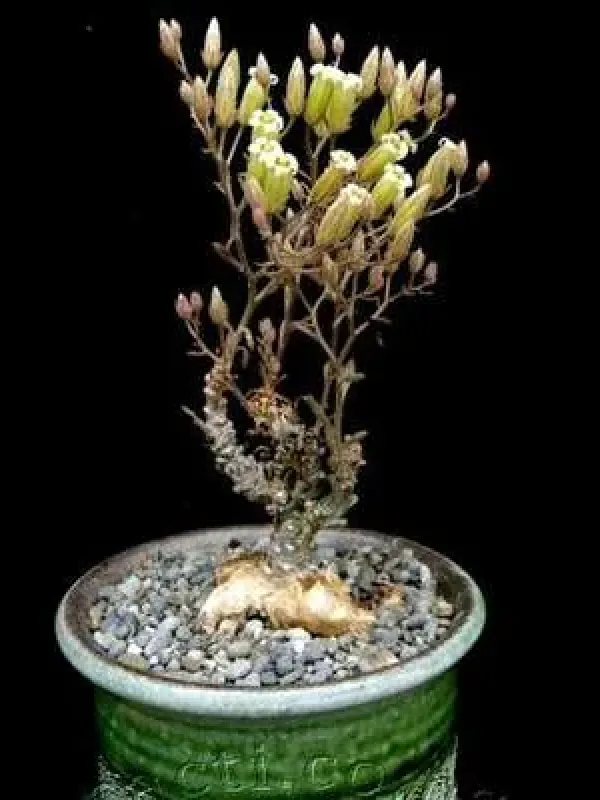
Description
Growing requirements
Tylecodon sulphureus is a fascinating perennial succulent belonging to the Crassulaceae family. Native to the arid regions of Southern Africa, this species has evolved specialized adaptations to thrive in harsh environments characterized by prolonged dry seasons and high temperatures.
The plant is botanically defined by its succulent stems, often forming a thickened base or caudex, which serves as a vital water-storage organ. The leaves are typically succulent and may exhibit fine trichomes (hairs) to minimize moisture loss through transpiration.
Cultivation requires a highly porous and inorganic soil mix, such as a combination of coarse sand, pumice, and grit. Proper drainage is the most critical factor for success, as the roots are extremely sensitive to stagnant moisture and anaerobic conditions.
Tylecodon sulphureus follows a distinct seasonal growth cycle, entering dormancy during the hottest summer months. During this period, the plant should be kept dry to mimic its natural habitat, as watering during dormancy often leads to fatal tissue collapse.
Active growth resumes during cooler seasons, typically late autumn and winter. Providing bright, indirect sunlight and controlled, occasional watering during this phase will support robust growth and prepare the specimen for its characteristic sulfur-colored blossoms.
Main diseases and pests
The primary threat to the health of Tylecodon sulphureus is root rot caused by overwatering or poor drainage. Excess moisture trapped in the root zone quickly promotes the growth of opportunistic fungi and bacteria that can liquefy the caudex.
Mealybugs are the most prevalent pest, often hiding in the crevices between stems and leaves. Regular inspections and the application of systemic insecticides are recommended to keep infestations under control and prevent sap depletion.
Root aphids may colonize the root system if the soil medium is contaminated or if the plant is chronically stressed by improper watering. Using sterilized substrates is the best preventive measure against these subterranean pests.
Fungal infections can develop if the ambient humidity remains too high without adequate air circulation. Ensuring the growing space has constant airflow helps keep the surfaces of the plant dry and reduces the likelihood of fungal pathogen colonization.
Physical injuries to the succulent stems can serve as entry points for pathogens. Always use sterilized tools when trimming the plant and ensure that any cut surface is dusted with a fungicide or sulfur powder to facilitate rapid callus formation.