
Tylecodon nolteei
Tylecodon nolteei
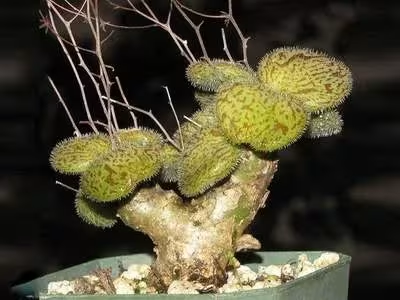
Description
Growing requirements
Tylecodon nolteei is a highly specialized succulent species belonging to the Crassulaceae family. Native to the arid regions of Namibia, this plant has evolved to thrive in environments where water availability is minimal and temperatures fluctuate significantly throughout the year.
The biological cycle of this species is distinctly seasonal. The plant initiates growth during the cooler months and enters a state of dormancy during the heat of the summer. During this dormant phase, it sheds its foliage to minimize transpiration and survive the intense drought conditions.
Successful cultivation requires a highly porous and inorganic potting medium. A mixture consisting of pumice, perlite, and coarse sand is recommended to ensure that water drains almost instantly, preventing the accumulation of moisture around the base of the caudex.
Light requirements for this species are substantial. It necessitates bright, filtered sunlight to maintain its compact growth habit. Inadequate light exposure leads to etiolation, where the plant becomes weak and loses its natural, robust aesthetic shape.
Temperature management involves mimicking the natural diurnal cycles of its native range. Providing cool nights and avoiding stagnant, humid air during the hot months is essential. Careful attention must be paid to withholding water entirely during the summer dormancy.
Main diseases and pests
The primary threat to Tylecodon nolteei is fungal rot resulting from excessive moisture. When the soil remains wet for prolonged periods, the plant’s roots and stems are highly susceptible to pathogens that cause rapid disintegration of the fleshy tissues.
Mealybugs are the most common pest observed on this succulent. They often settle in the crevices between the stem and the base, where they are protected from topical treatments. Regular inspections are necessary to detect these infestations early.
Poor ventilation contributes to the development of fungal spores on the surface of the soil and the plant itself. Maintaining a light airflow around the plant helps keep the epidermal tissues dry and reduces the risk of infection by opportunistic fungi.
Spider mites can occur if the humidity levels are extremely low and there is no air movement. These pests damage the skin of the caudex, which not only affects the plant's health but also creates permanent scars that detract from its ornamental value.
Improper substrate sterilization can introduce soil-borne pests or nematodes that attack the root system. Utilizing sterilized, gritty soil components and observing strict sanitary practices during repotting is crucial for the long-term survival of this rare botanical specimen.