
Tylecodon ectypus
Tylecodon ectypus
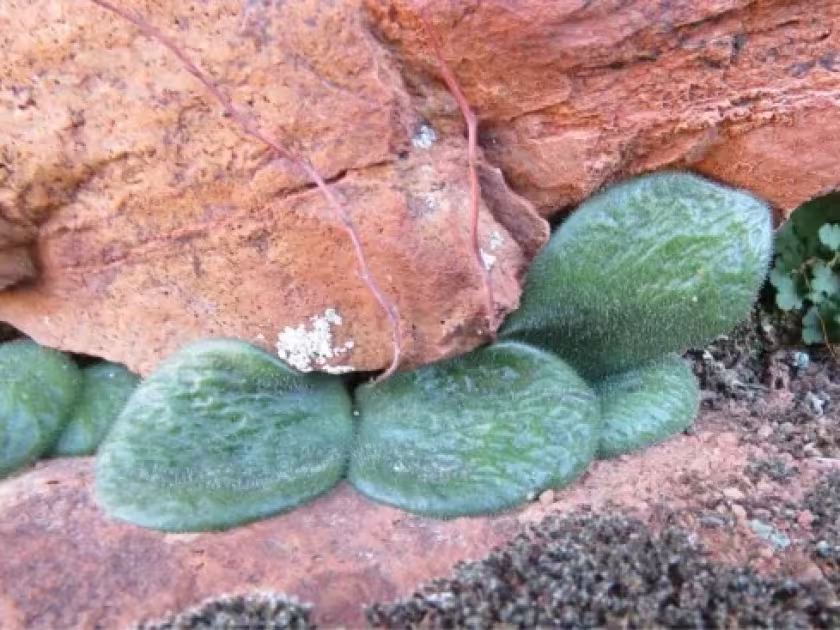
Description
Growing requirements
Tylecodon ectypus is a remarkable dwarf succulent belonging to the Crassulaceae family. Native to the arid regions of the Cape in South Africa, this species has evolved to thrive in environments with distinct seasonal rainfall patterns.
Botanically, the plant is characterized by a succulent, branched stem that features prominent tubercles left behind by fallen leaves. Its growth cycle is strictly winter-active, meaning the plant develops foliage during the cooler months and enters dormancy in summer.
Successful cultivation requires a highly porous and inorganic potting mix. A substrate consisting primarily of pumice, perlite, and coarse sand is essential to prevent moisture accumulation, which is the primary cause of root failure.
The plant requires intense light to maintain its compact form. During the active growing season, light watering should be provided, whereas during the summer dormancy, the plant must be kept completely dry to mimic its natural environmental cycle.
The primary use of Tylecodon ectypus is within private and botanical succulent collections. Due to its slow growth rate and unique architectural appearance, it is highly sought after by enthusiasts of rare xerophytic flora.
Main diseases and pests
The most significant threat to Tylecodon ectypus is overwatering, which leads to rapid stem and root rot. Inappropriate watering during the dormant summer period almost invariably results in the death of the plant.
Mealybugs are the most persistent pests for this species, as they tend to congregate between the tubercles and in the crevices of the stem. Physical removal or the use of targeted insecticides is necessary for effective management.
Poor ventilation can promote the development of fungal pathogens, especially if the ambient humidity is too high. Proper airflow is vital to ensure that the plant surface remains dry and healthy.
Root-knot nematodes can severely damage the plant's underground structures. Using sterilized, mineral-based soil and preventing contamination is the best preventative strategy against these subterranean threats.
Regular inspections and adherence to a strict seasonal care schedule are the best defenses against both pests and physiological disorders, ensuring the long-term health of the specimen.