
Tylecodon albiflorus
Tylecodon albiflorus
Description
Growing requirements
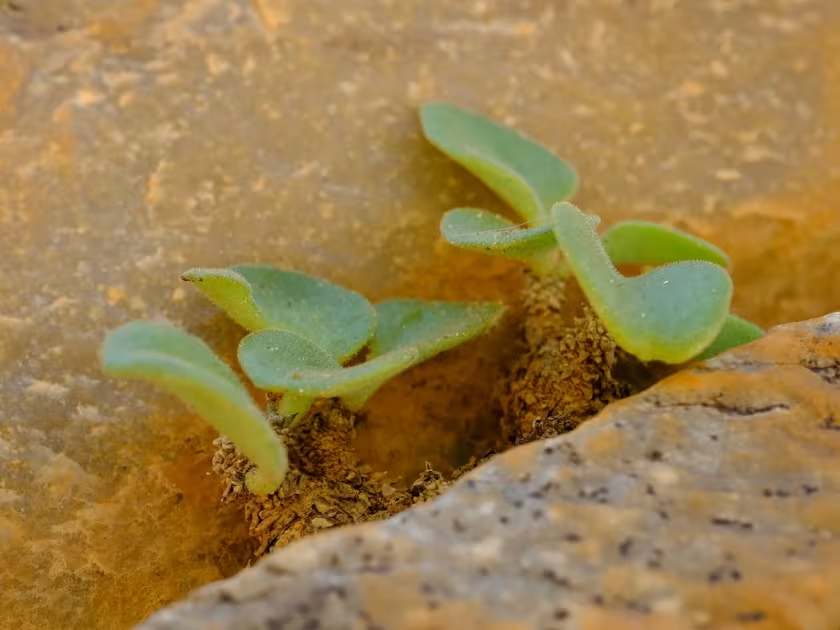
Tylecodon albiflorus is a distinct succulent species belonging to the Crassulaceae family, native to the arid environments of South Africa. It is highly valued among collectors for its unique habit of forming a water-storing caudex, which allows it to thrive in extremely dry conditions.
The plant exhibits a specialized growth cycle, often referred to as winter-growing. It produces foliage during the cooler months and enters a deep dormancy period during the heat of the summer, during which it sheds its leaves to reduce metabolic activity and moisture loss.
Cultivation requires abundant sunlight, as Tylecodon albiflorus tends to etiolate and lose its compact, attractive structure if kept in low-light environments. Placing the plant in a position with at least six hours of bright, indirect to direct sunlight is essential for optimal health.
The growing medium must be highly porous and inorganic. A standard mix includes coarse sand, pumice, or expanded clay pebbles with only a minimal fraction of organic matter. Proper drainage is the single most critical factor in preventing root system collapse.
Temperature management should mirror its natural habitat. It prefers cooler temperatures during its growing season, which generally aligns with the autumn and winter months. Keeping the plant in a cool, well-ventilated space prevents it from overheating while dormant and helps maintain its internal water balance.
Main diseases and pests
The primary threat to Tylecodon albiflorus is root and stem rot caused by overwatering. If the substrate remains moist for an extended period, the caudex is prone to rapid decay, which is often fatal if not identified and addressed immediately by keeping the plant dry.
Mealybugs are the most common pests, often sheltering in the crevices of the caudex or around the leaf base. Due to the delicate nature of the plant, contact with heavy oils or harsh chemical sprays should be minimized; systemic insecticides are usually safer and more effective.
Spider mites can become a nuisance if the surrounding air is excessively dry and lacks airflow. Their presence is usually indicated by discolored patches on the leaves. Increasing airflow around the plant is the most effective preventative measure against mite infestations.
Infection by fungal pathogens can occur through wounds on the stem or roots during repotting. Using sterile tools and ensuring that the soil is fully dry before planting are essential practices to minimize the risk of pathogen entry into the plant tissues.
Environmental stress, such as sudden exposure to intense sunlight after a long period of darkness, can cause severe sunburn on the caudex. These injuries leave the plant vulnerable to secondary bacterial infections, requiring careful monitoring and potential application of antiseptic powders.