
Tylecodon singularis
Tylecodon singularis
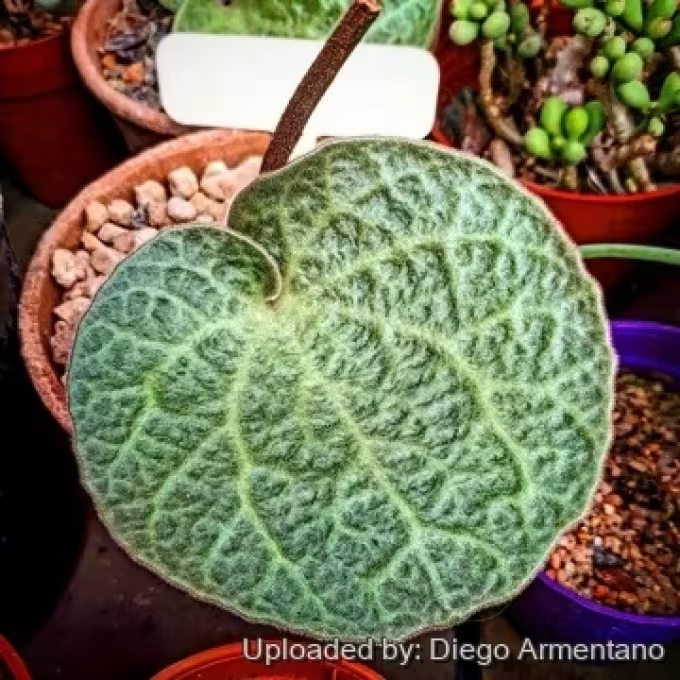
Description
Growing requirements
Tylecodon singularis is a distinctive member of the Crassulaceae family, native to the arid landscapes of Southern Africa and Namibia. This plant is highly prized among succulent enthusiasts for its unique morphology.
The defining characteristic of this species is its single, large leaf that emerges from a thickened, caudex-like base. This leaf is ephemeral, supporting the plant during its short, cooler growing season.
Cultivation requires a highly porous, inorganic potting mix. A combination of volcanic rock, coarse sand, and perlite ensures rapid drainage, which is crucial for preventing the tuberous base from rotting.
The plant thrives in bright, filtered light. While it appreciates sunny conditions, excessive direct afternoon sun in mid-summer can damage the delicate tissues, requiring the use of light shade cloth.
Temperature management is key: Tylecodon singularis follows a winter-growing cycle. It requires cool nights and mild days to flourish, followed by a completely dry, dormant period during the summer months.
Main diseases and pests
Root rot, caused by overwatering or poor drainage, remains the primary threat to the health of Tylecodon singularis. Once the tuberous stem begins to decay, the process is often irreversible.
Mealybugs are the most common pests associated with this species. They often congregate near the leaf base or under the soil surface, extracting sap and weakening the plant's structural integrity.
Spider mites may pose a threat during hot, dry periods if the humidity levels are too low. They cause stippling and discolouration on the leaf surface, which can hinder the plant's ability to photosynthesize.
Poor ventilation promotes the growth of various fungal pathogens, especially in damp conditions. Maintaining good airflow around the pot helps keep the surface of the soil dry and prevents mold development.
Chemical control should be approached with caution. Many standard pesticides can burn the sensitive succulent skin; therefore, mild systemic treatments or mechanical removal of pests is preferred by experienced growers.