
Tylecodon rubrovenosus
Tylecodon rubrovenosus
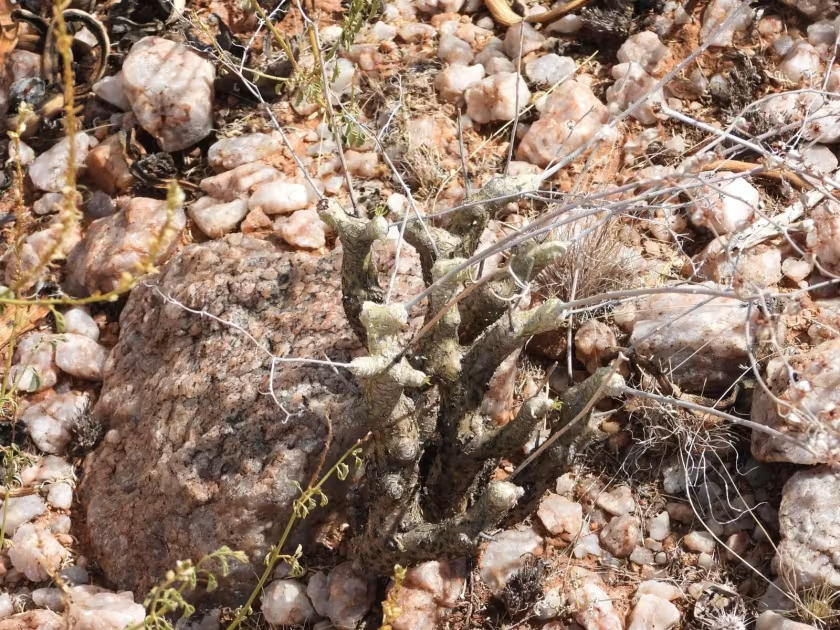
Description
Growing requirements
Tylecodon rubrovenosus is a unique caudex-forming succulent belonging to the Crassulaceae family. It is native to the arid landscapes of Southern Africa, where it has evolved to thrive in harsh, water-scarce environments.
The plant is defined by its thickened, water-storing stem known as a caudex and its leaves which feature striking red veining. These botanical characteristics make it a sought-after specimen for succulent collectors worldwide.
For optimal growth, Tylecodon rubrovenosus requires a highly porous, well-draining soil mix. A combination of grit, pumice, and minimal organic matter is ideal to prevent moisture accumulation around the sensitive root system.
The climate requirements involve plenty of bright light during the growing season. However, providing protection from harsh midday sun is necessary to prevent tissue burning. During the winter dormancy period, the plant requires cool temperatures and almost zero water.
Agricultural practice focuses on strict irrigation control. Watering should only occur when the soil is completely dry, and the plant should be kept dry throughout its winter dormant phase to mimic its natural cycle.
Main diseases and pests
The primary threat to this species is root and stem rot caused by poor irrigation management or excessive atmospheric humidity. Overwatering is the most common cause of failure, leading to rapid decay of the caudex.
Pests such as mealybugs are the most frequent attackers. They hide in the crevices of the stem, making detection difficult until a significant infestation has developed. Regular checks are essential for early prevention.
Spider mites can also become an issue in indoor environments with stagnant, dry air. Maintaining good airflow around the plant helps minimize the risk of these infestations and promotes overall plant health.
If a pest problem occurs, the application of appropriate systemic insecticides is recommended. Care must be taken to choose products safe for succulent tissues to avoid chemical damage to the epidermis.
Prevention is the best strategy: maintaining sterile conditions, ensuring sufficient light, and avoiding water contact with the stem will keep Tylecodon rubrovenosus healthy and vibrant for years.