
Tylecodon pearsonii
Tylecodon pearsonii
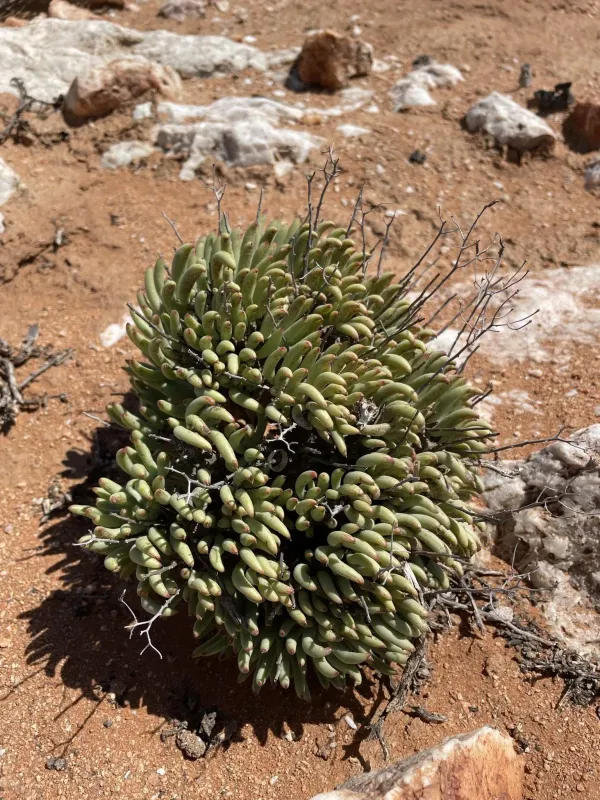
Description
Sowing dates
Propagation of this culture in controlled environments is most effectively performed via seeds. Sowing should ideally take place during the autumn, which aligns with the plant's natural biological growth cycle.
Due to the small size of the seeds, they should be sown on the surface of the substrate, covered only by a very thin layer of fine sand or vermiculite to maintain essential moisture levels.
A crucial factor for successful germination is maintaining a stable temperature range between 18–22 degrees Celsius, along with bright, indirect light to prevent etiolation of the seedlings.
During the initial growth stages, watering must be kept minimal, ideally using a bottom-soaking method to keep the soil surface dry and prevent damping-off diseases.
Germination time can vary significantly, typically ranging from two weeks to over a month, depending on the freshness of the seed and the stability of the growing environment.
Growing requirements
Tylecodon pearsonii belongs to the Crassulaceae family and is a specialized succulent native to the arid regions of Southern Africa and Namibia, adapted to extreme heat and long dry spells.
The culture requires a highly porous, inorganic substrate with minimal organic components to ensure rapid drainage, as stagnant moisture is the primary cause of root system failure.
High light intensity is required for healthy growth, though during the summer dormancy period, the plant benefits from partial shade to prevent the epidermis from burning.
The grower must manage the seasonal cycle: active growth during the cooler winter months and a strictly dry, warm period during the summer when the plant enters dormancy.
Excellent air circulation is mandatory; without proper ventilation, the plant is highly susceptible to atmospheric moisture accumulation, which quickly leads to tissue decay.
Main diseases and pests
The most significant threats to Tylecodon pearsonii are fungal infections, which are primarily triggered by overwatering, poor substrate drainage, or insufficient airflow.
Pests such as mealybugs pose a major risk to the succulent, often hiding in the crevices of the stem or at the base of the leaves where they feed on sap.
Root mealybugs can cause severe damage that is difficult to detect until the plant's physical structure begins to collapse due to compromised root integrity.
Spider mites may occasionally infest the plant, especially in conditions with extremely low humidity and high temperatures, leading to stunted growth and leaf deformity.
Prevention relies on frequent inspections of the foliage and root zones, the use of systemic fungicides when necessary, and maintaining optimal sanitary standards in the greenhouse.