
Tree heath
Erica arborea L.
Description
Sowing dates
Propagation of Erica arborea is primarily achieved through cuttings. Semi-hardwood cuttings taken in late summer offer the highest success rate, provided they are placed in a well-draining rooting medium.
Seed propagation is possible but challenging due to the minute size of the seeds. They should be sown on the surface of a moist, acidic peat-based substrate without being buried deep.
A humid environment is essential for seed germination. Covering the tray with clear plastic helps maintain consistent moisture levels and a stable temperature of approximately 20 degrees Celsius.
Seedlings should be pricked out once the first true leaves emerge. Young plants are highly sensitive to drought and require constant attention until they establish a robust root system.
Transplanting to their final location in the garden should be done in the spring. This timing allows the plants to establish themselves before the onset of extreme temperatures, whether summer heat or winter cold.
Growing requirements
Erica arborea is a member of the Ericaceae family and strictly requires acidic soil. A pH level between 4.5 and 5.5 is crucial; any presence of lime in the soil will cause chlorosis and eventual plant failure.
The plant thrives in full sun or light shade, provided the site is protected from harsh drying winds. Excellent soil drainage is non-negotiable to prevent root rot in this moisture-loving but sensitive species.
Climate suitability is a limiting factor, as tree heath is not fully cold-hardy. In areas where temperatures drop below -10 degrees Celsius, it is best grown in containers that can be moved indoors for winter.
Irrigation must be performed using soft water, as tap water with a high calcium content can alter soil pH over time. Rainwater is the preferred choice for regular watering during dry spells.
Maintenance pruning is essential to keep the shrub compact and encourage dense foliage. This should be performed immediately after the flowering period to ensure the plant remains vigorous and attractive.
Yield
The industrial value of Erica arborea is focused on its root burl, known commercially as briar. This wood is highly prized for crafting premium smoking pipes due to its exceptional heat resistance and density.
The production of usable briar is a long-term process, as the burls typically require 30 to 50 years to reach the size and quality necessary for commercial manufacturing of high-end wood products.
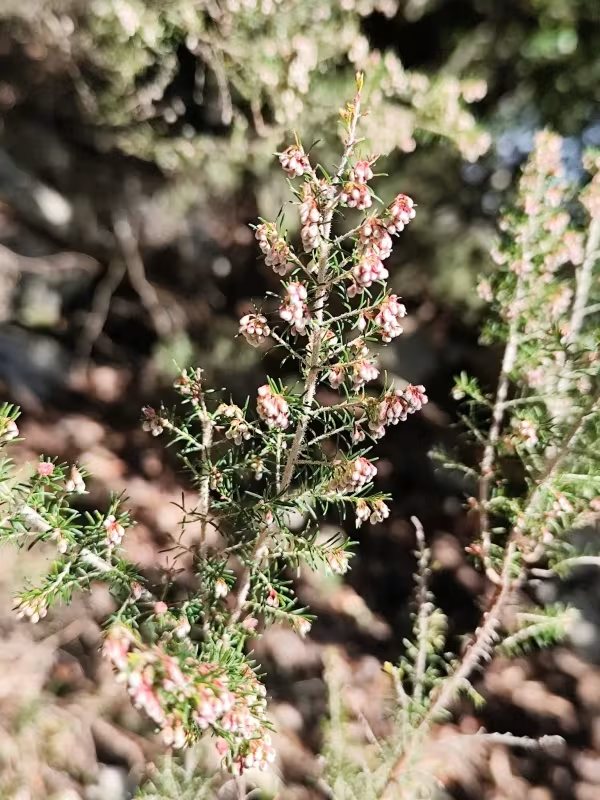
In landscaping, the yield is measured in decorative appeal. A mature specimen can reach up to 3 meters in height, providing a dramatic structure with abundant, fragrant, bell-shaped white flowers.
In its native Mediterranean range, the species acts as a significant honey source. The resulting heather honey is highly valued for its dark color, rich flavor, and specific health-promoting properties.
The long-term sustainability of the culture depends on strict soil management. When conditions are met, the shrub provides a consistent aesthetic value for over a decade without signs of decline.
Main diseases and pests
Fungal diseases, such as Phytophthora or grey mold, pose the greatest threat to tree heath. These pathogens thrive in waterlogged conditions and can cause the sudden collapse of the entire plant.
Pests including spider mites and scale insects often affect plants under stress. These pests pierce the leaves and stems, leading to yellowing, stunted growth, and a general decline in the shrub's health.
Integrated pest management, including regular inspection and the use of targeted fungicides or systemic insecticides, is necessary to control infestations before they spread across the planting area.
Nutritional disorders, particularly iron chlorosis, occur frequently when the soil pH rises above the optimal range. Corrective measures include the application of sequestered iron and acidifying fertilizers.
Maintaining a clean growing environment by removing dead debris and ensuring proper airflow helps prevent the buildup of pathogens, ensuring the long-term health and vitality of the Erica arborea.