
Bell heather
Erica cinerea L.
Description
Growing requirements
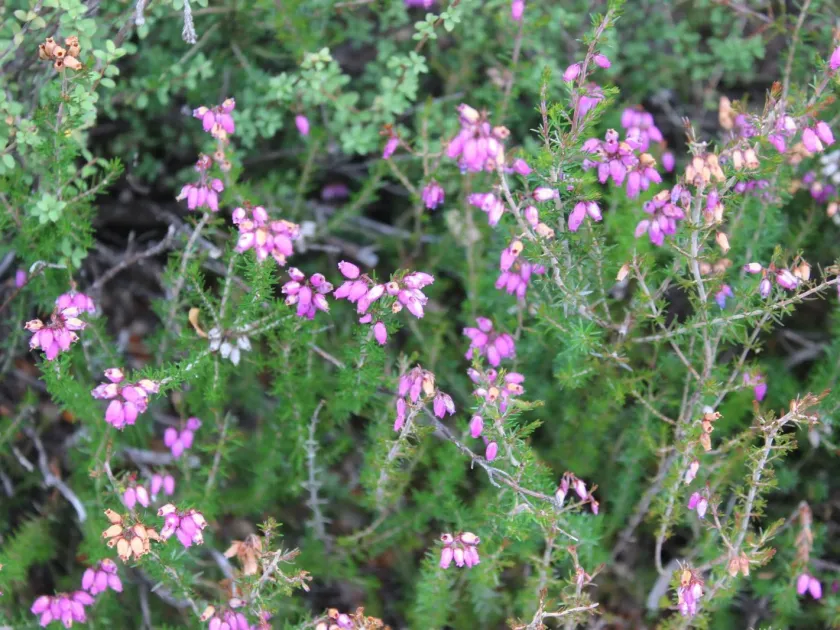
Bell heather (Erica cinerea L.) is a perennial evergreen shrub belonging to the Ericaceae family. It is widely recognized for its vibrant, bell-shaped flowers and dense, needle-like foliage, making it a staple in ornamental horticulture.
Originating from Western and Central Europe, this species is well-adapted to heathlands and acidic, nutrient-poor soils. It prefers oceanic climates with mild winters and moderate summer temperatures, ensuring consistent growth throughout the season.
The plant demands highly acidic, well-draining soil to thrive. In garden environments, incorporating peat moss or pine needles is essential to maintain a low pH level, as alkaline conditions are detrimental to the plant's health.
Exposure to full sunlight is critical for Erica cinerea. While it can tolerate partial shade, insufficient light often results in "leggy" growth and a significant reduction in flower production during the blooming phase.
Cultural practices include applying organic mulch, which helps preserve soil moisture and protects the shallow root system from extreme temperature fluctuations. Watering should be done carefully to keep the soil moist but never waterlogged.
Main diseases and pests
Root rot, primarily caused by Phytophthora species, is the most severe threat to bell heather. It occurs predominantly in sites with poor drainage where water accumulates around the root crown, leading to rapid decay.
Botrytis (grey mold) is another common fungal disease, especially in dense plantings or regions with high humidity. Improving airflow around the plants by proper spacing is the most effective way to prevent fungal outbreaks.
Pests such as spider mites and scale insects can occasionally infest the shrub. These pests thrive in dry conditions and can cause discolouration of the foliage, necessitating the use of specialized horticultural oils or systemic insecticides.
Environmental stress, such as exposure to harsh, drying winds or extreme frost without snow cover, can lead to tip dieback. Protective coverings during severe winter months are recommended in colder inland regions.
Effective management of these threats involves monitoring plant vigor and maintaining optimal soil conditions. Healthy plants are significantly more resistant to both environmental pathogens and localized pest attacks.