
Dorset heath
Erica ciliaris L.
Description
Growing requirements
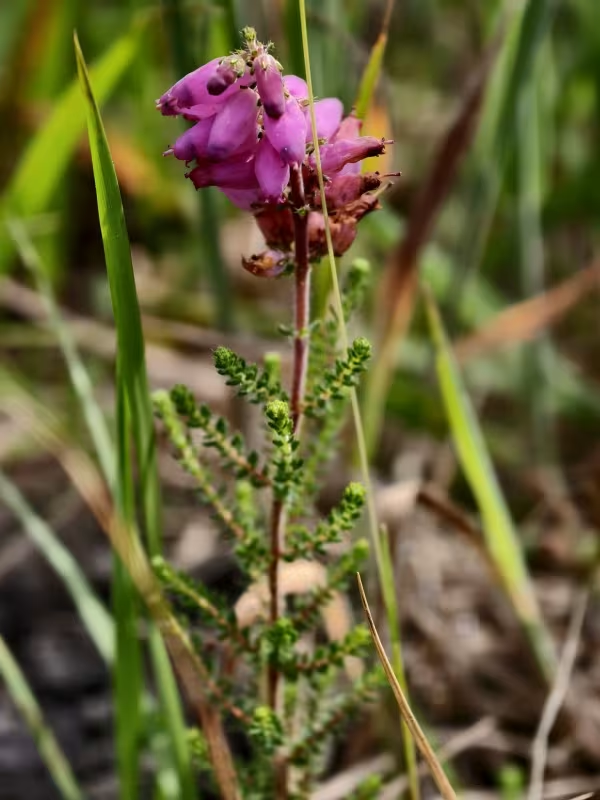
Dorset heath (Erica ciliaris L.) is a perennial evergreen shrub belonging to the Ericaceae family. It is distinguished by its glandular cilia on the stems and leaves, giving the plant a unique textured appearance. This species is highly valued in horticulture for its long-lasting and vibrant flowering period.
The native range of this species is centered along the Atlantic fringe of Europe, spanning from Portugal and Spain through France to the British Isles. It thrives in mild, oceanic climates characterized by high humidity and temperate winters, which must be considered when cultivating it in different geographical zones.
Soil conditions are critical for the successful growth of Dorset heath. Like other members of the heath family, it requires acidic, well-draining, and nutrient-poor soils. Incorporating sphagnum peat or pine bark into the planting site is recommended to maintain the necessary pH levels and soil structure for healthy root development.
The species has specific moisture requirements; it prefers consistently moist but never waterlogged soil. Proper drainage is essential to prevent root rot, as the root systems are sensitive to poor oxygen exchange. During dry spells, supplemental irrigation using soft or acidified water is necessary to keep the plants thriving.
In terms of light, Dorset heath performs best in full sun. While it can tolerate partial shade, maximum exposure to light is crucial for maintaining a compact growth habit and encouraging prolific flower production. Insufficient light often leads to leggy branches and a significant reduction in the quantity of blooms.
Main diseases and pests
Botrytis blight, or grey mold, is a common fungal threat, particularly in regions with high humidity or poor air circulation. Infected foliage shows necrotic spots and a fuzzy grey covering, requiring immediate removal of affected tissue and the application of appropriate systemic fungicides to halt the spread.
Phytophthora root rot poses a severe threat to Dorset heath, often caused by stagnant water around the roots. This pathogen kills the plant relatively quickly by destroying the root architecture. Prevention involves ensuring excellent site drainage and avoiding the use of contaminated tools during gardening activities.
Spider mites are common insect pests that thrive in dry conditions. They feed on the underside of the foliage, resulting in stippled, yellowing leaves. Regular misting of the plants or the use of horticultural oils and specific acaricides can help manage mite populations and maintain plant health.
Mealybugs can occasionally infest the stems, creating white cottony masses. These pests suck nutrients from the plant, which can stunt growth and invite secondary infections. Manual removal for small infestations or the use of insecticidal soaps is effective for managing these sap-sucking insects.
To support plant vigor, maintain a layer of mulch such as pine needles or wood chips. Mulching suppresses weeds that compete for resources and helps maintain the soil's acidity and moisture balance, creating a stable environment that reduces stress and increases the plant's natural resistance to diseases.