
Tree heath
Erica scoparia L.
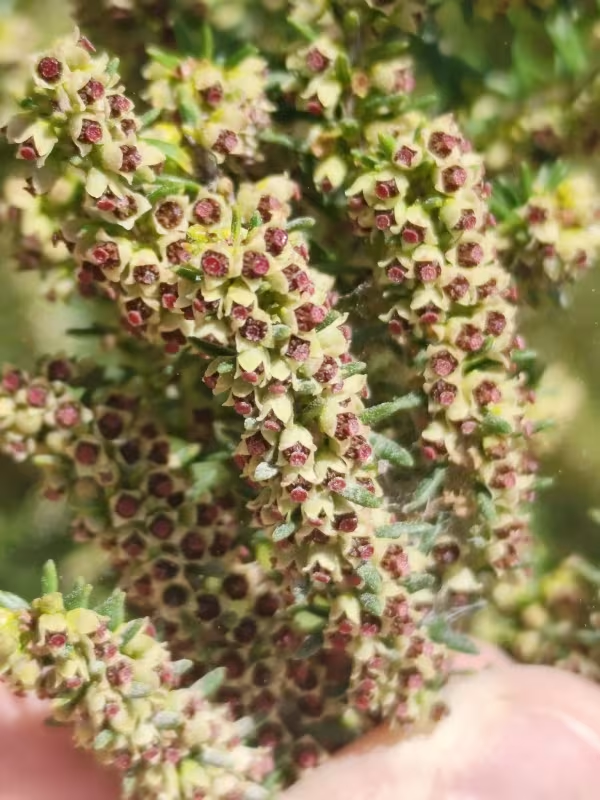
Description
Sowing dates
Tree heath is propagated primarily through seeds or softwood cuttings during the spring season. Sowing seeds requires precise control over humidity and light exposure, as the seeds are extremely small and need a specialized growing medium.
The ideal substrate for germination consists of a mixture of peat moss and horticultural sand to ensure proper acidity and drainage. Seeds should be sown on the surface and pressed lightly without being covered, as light is a prerequisite for germination.
A consistent temperature between 18 and 20 degrees Celsius must be maintained for successful development. Utilizing a greenhouse or a cold frame helps to provide the necessary protection against unpredictable weather fluctuations during the initial stages of growth.
Once seedlings have developed several true leaves, they require transplanting into individual pots to avoid competition for nutrients. During this phase, regular misting is essential to maintain a stable microclimate without waterlogging the delicate roots.
Acclimatization to open-ground conditions should be done gradually over a period of weeks. Planting out into permanent locations is best performed in early spring, ensuring the soil remains acidic and well-draining throughout the establishment period.
Growing requirements
Erica scoparia, commonly known as tree heath, belongs to the Ericaceae family and thrives in acidic, well-draining soils. It is native to the Mediterranean region and is well-adapted to conditions featuring sunny exposures and mild winters.
The plant strictly requires acidic soil with a pH range of 4.0 to 5.5. High levels of calcium or lime are toxic to this species, leading to chlorosis and stunted growth, so soil testing is a mandatory step before planting.
Regarding moisture, tree heath is sensitive to poor drainage. While it requires regular water to establish itself, it cannot tolerate "wet feet." A layer of gravel or coarse sand at the bottom of the planting hole is highly recommended for longevity.
Sunlight exposure should be maximized, although the plant can tolerate light partial shade. Protection from harsh, cold winds is important in regions with harsher winter climates to prevent dehydration of the foliage and tip dieback.
Maintenance involves annual pruning, which encourages a dense habit and prevents the plant from becoming leggy. Pruning should be carried out immediately after the flowering period to ensure the shrub remains vigorous and healthy.
Yield
The economic importance of Erica scoparia is largely tied to its root system, which produces high-quality briar wood. This material is prized worldwide for manufacturing premium smoking pipes due to its durability and resistance to heat and fire.
The harvesting of briar roots is a specialized industry. Roots usually reach an optimal size and density for pipe manufacturing only after several decades, making the cultivation of tree heath a long-term investment for growers.
In addition to timber, tree heath is a significant source of nectar in apiculture. The resulting honey is known for its distinct, slightly bitter, and woody flavor, making it a niche product in the regional market for gourmet food.
Strategic planting and management allow for sustainable yields. By rotating harvesting areas and ensuring new plantings are established concurrently, growers maintain a continuous supply of this highly sought-after wood.
On a smaller scale, the plant serves as a popular choice in ornamental horticulture. Nurseries focused on heather gardens or coastal landscaping find strong market demand for robust, container-grown specimens of this shrub.
Main diseases and pests
The primary threats to tree heath include soil-borne pathogens, such as Phytophthora, which flourish in poorly drained soils. Infected plants show rapid yellowing and wilting, usually resulting in the loss of the shrub if not managed early.
Scale insects can occasionally infest the foliage, siphoning off nutrients and weakening the overall plant health. Standard control measures involve using horticultural soaps or systemic insecticides during the early infestation phase.
Chlorosis is a frequent non-pest issue caused by high pH levels in the growing medium. Correcting the acidity using sulfur-based additives or organic acidifiers is necessary to restore the dark green color of the leaves and promote growth.
Poor air circulation, often caused by planting too densely, can promote fungal issues like powdery mildew. Ensuring adequate spacing between shrubs is a simple but effective preventive strategy for long-term health.
Proper sanitation, including the removal of dead or diseased branches, remains the most effective defense against pests and diseases. Keeping the base of the plant free of weeds also helps in preventing excessive moisture retention.