
Irish heath
Erica erigena R. Ross
Description
Growing requirements
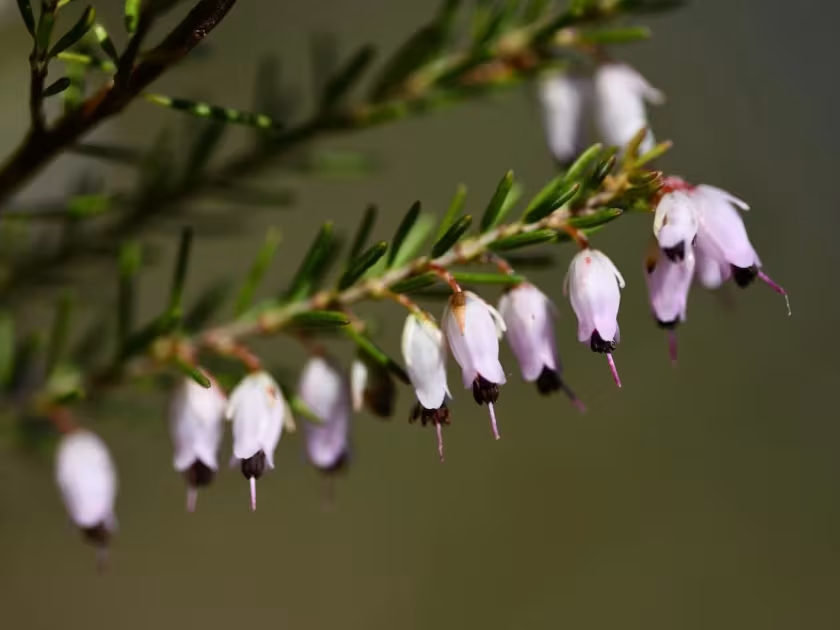
Erica erigena, commonly known as the Irish heath, is a perennial evergreen shrub belonging to the Ericaceae family. Native to southwestern Europe, particularly regions in Ireland, France, Spain, and Portugal, it is well-adapted to maritime climates.
The cultivation of this plant requires specific soil conditions, specifically acidic, well-drained soil rich in organic matter. It is highly intolerant of lime or alkaline soils, which rapidly lead to iron chlorosis and the decline of the shrub.
Climatic requirements are centered around the need for high humidity and mild temperatures. While the Irish heath can tolerate light frost, it thrives best in sheltered, wind-protected areas where extreme continental temperature swings are minimized.
Agricultural management requires consistent mulching with acidic organic materials, such as peat or pine needles, to maintain pH levels and moisture. Proper site selection is critical, ensuring the soil profile allows for excellent drainage to prevent root suffocation.
The primary use of Erica erigena is within the ornamental horticultural sector. It is highly valued for its early flowering season, making it a perfect addition to heather gardens, rockeries, and landscaped border areas that require year-round foliage interest.
Main diseases and pests
Root rot and fungal infections like Phytophthora are the most significant threats to this species, particularly when drainage is compromised. Improving soil aeration and preventing waterlogging are the most effective preventative measures against these pathogens.
Pests such as aphids and spider mites may occasionally infest the plants, especially during hot, dry spells. Integrated pest management, including the use of targeted acaricides and maintaining optimal plant vigor, is recommended to mitigate these risks.