
Erica gracilis
Erica gracilis J. C. Wendl.
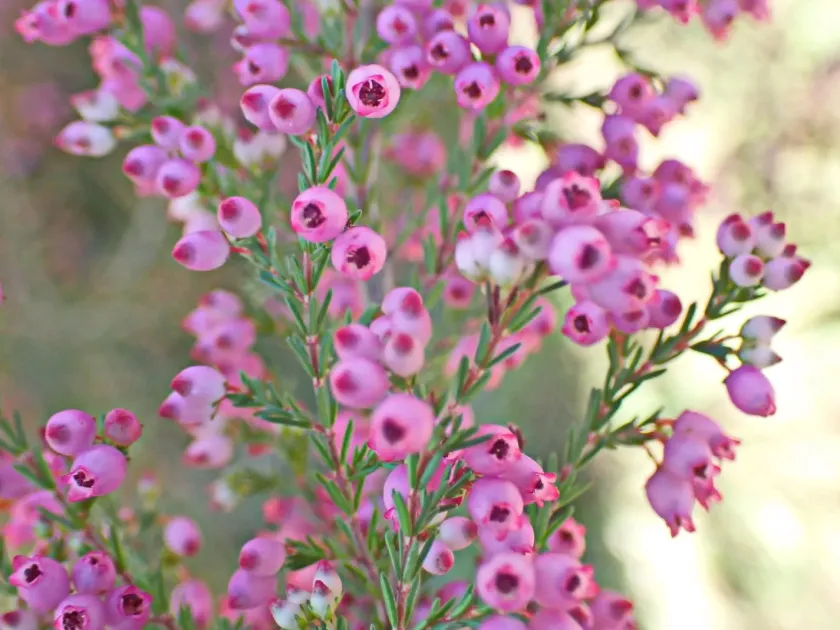
Description
Growing requirements
Erica gracilis, commonly known as the slender heather, belongs to the Ericaceae family. It is a highly appreciated ornamental evergreen shrub known for its dense clusters of bell-shaped flowers that bloom in the late autumn and winter seasons.
Originating from South Africa, this plant is naturally adapted to acidic, nutrient-poor, yet well-drained soils. In cultivation, it requires conditions that mimic its native habitat to ensure vigorous growth and long-lasting floral display.
Temperature management is crucial; the plant prefers cool environments ranging from 12°C to 18°C. High temperatures combined with dry indoor air can quickly lead to plant stress, needle drop, and the loss of decorative value.
The soil must be strictly acidic, with a pH between 4.0 and 5.5. A mixture of peat moss, pine needle compost, and perlite is ideal for providing the necessary aeration and moisture retention. Proper drainage is non-negotiable to prevent root rot.
Watering requirements include the use of lime-free, soft water. The plant should be kept consistently moist but never waterlogged. Fertilization should be specific to acid-loving plants, applied sparingly during the growth phase to avoid salt accumulation in the root zone.
Main diseases and pests
Powdery mildew is a common fungal threat when plants are kept in stagnant air conditions with high humidity. It manifests as a white, dusty layer on the foliage, which can impede photosynthesis and stunt development.
Root rot, often caused by Phytophthora species, is the most destructive issue for Erica gracilis. It usually stems from overwatering or inadequate soil drainage, causing the root system to collapse rapidly.
Spider mites represent the primary pest challenge, especially in indoor environments where air humidity is low. These pests thrive in dry conditions and can cause the plant to lose its needles prematurely.
Scale insects can also infest the stems, creating small, hard bumps that drain the plant of nutrients. Regular inspection is necessary to catch and treat these infestations before they become unmanageable.
Control strategies involve a combination of environmental management—such as improving airflow—and the targeted application of acaricides or fungicides. Maintaining plant vigor through proper nutrition is the best defense against secondary infections.