
Cross-leaved heath
Erica tetralix L.
Description
Growing requirements
Cross-leaved heath (Erica tetralix L.) is a perennial subshrub belonging to the Ericaceae family. It is native to the wet heathlands and moorlands of Western Europe, known for its distinct beauty in bog garden settings.
The plant strictly requires acidic soil conditions with a pH level between 4.0 and 5.5. A growing medium rich in organic matter, specifically peat or acidic compost, combined with perfect drainage is essential for survival.
While the plant thrives in full sun, it is highly sensitive to heat stress and requires adequate moisture throughout the growing season. High humidity levels are beneficial, making it a classic choice for temperate, maritime climates.
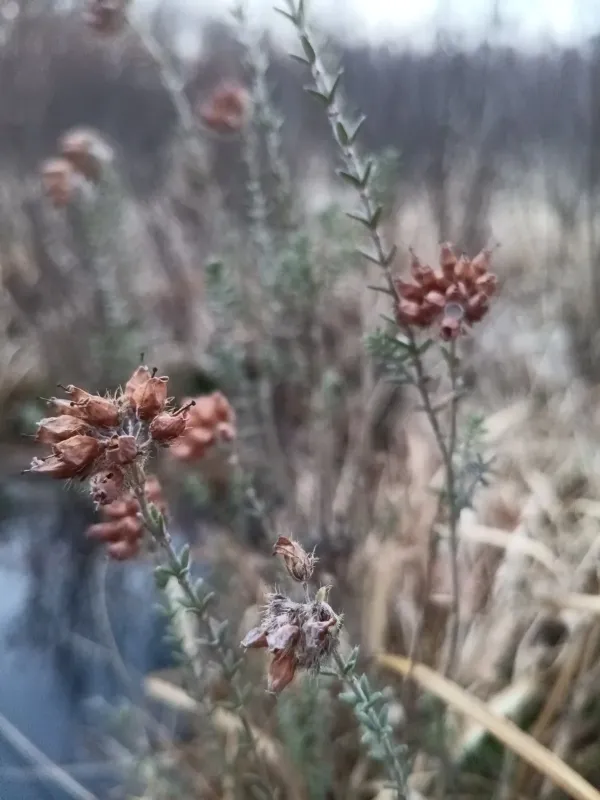
Botanically, this species is identified by its leaves arranged in whorls of four along the stems. The flowers are typically bell-shaped, drooping, and colored in delicate shades of pink, appearing in terminal clusters.
Cultivation success depends on water quality; the use of tap water containing high levels of calcium or lime can cause severe chlorosis. It is recommended to use rainwater to maintain the acidic soil balance required for health.
Main diseases and pests
The primary threats to this culture are fungal diseases, particularly Phytophthora root rot, which thrives in waterlogged conditions. Ensuring a well-draining soil profile is the most effective preventative measure.
Grey mold (Botrytis) can affect the foliage during periods of stagnant air and high moisture. Improving air circulation around the plants helps to keep the foliage dry and healthy.
Pests such as spider mites and scale insects can attack the plant, especially if it is under drought stress. Regular inspection and targeted treatment are necessary to manage localized infestations.
Root-knot nematodes can also hinder development, leading to stunted growth. Using sterile or soil-less potting mixes is a standard practice to avoid introducing these pathogens into the growing area.
Cultural practices, such as removing dead or infected plant debris, play a crucial role in maintaining the overall health and vigor of the heath collection throughout the growing season.